
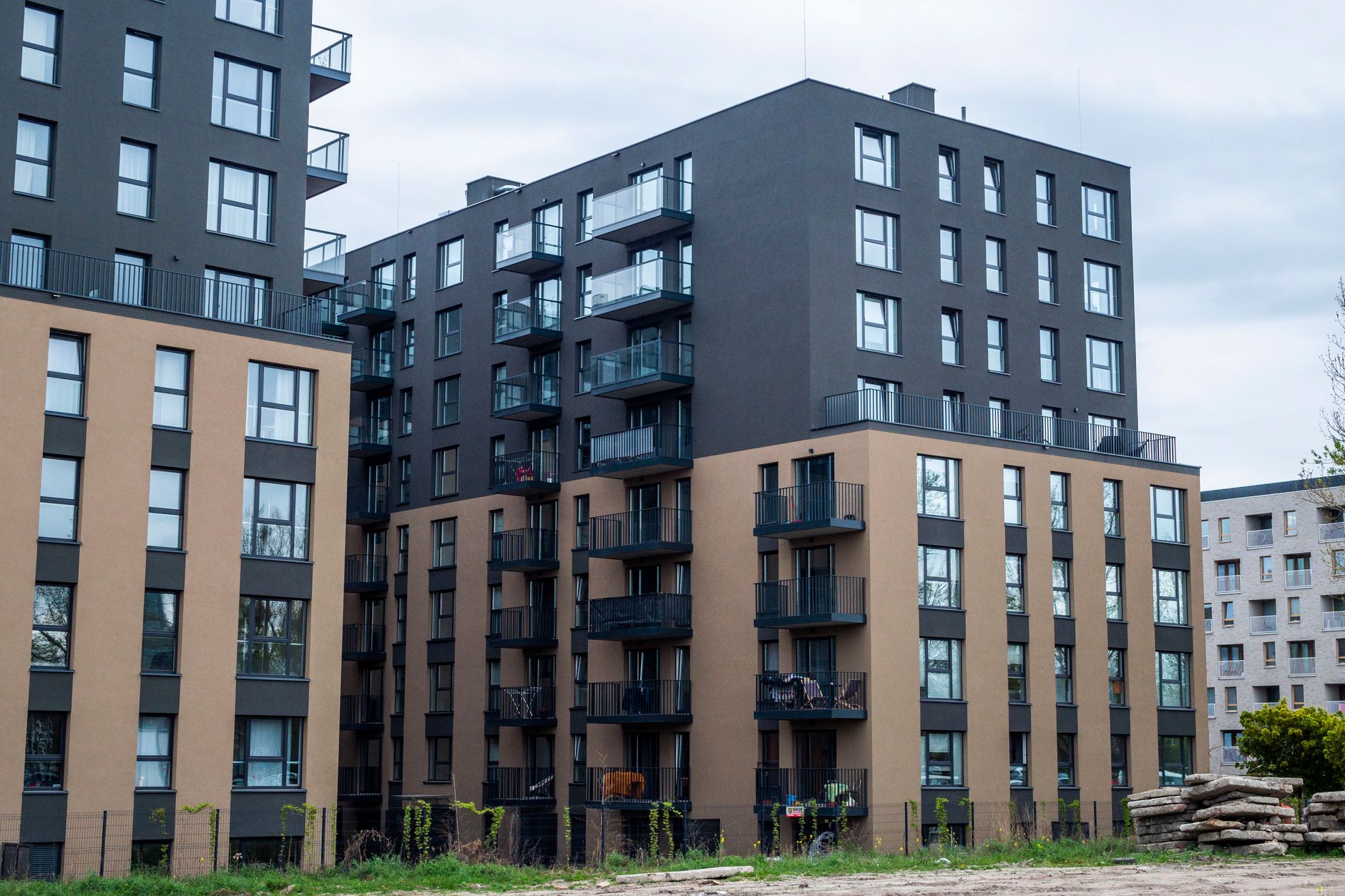
Real estate development is one of the most rewarding and dynamic avenues in business, offering the opportunity to transform vision and capital into physical community assets. However, moving a project from initial concept to revenue generation requires far more than aesthetic blueprints and funding. Success demands rigorous market research, prudent financial discipline, strict regulatory compliance, and coordinated execution across every phase of the project life cycle.
For emerging developers entering today’s competitive market, establishing structured operational strategies early is essential to mitigate risk, protect cash flow, and maximize return on investment.
1. Define a Focused Niche and Strategic Vision
Every successful real estate venture begins with absolute clarity of purpose. Rather than taking a broad, generalist approach, new developers should identify a specialized niche aligned with local market demand and their team’s core strengths. Whether focusing on multi-family residential communities, modern industrial logistics hubs, boutique retail centers, or mixed-use complexes, specializing allows you to build deep domain expertise and differentiate your brand.
Establishing a clear vision serves as your decision-making anchor throughout the project. Before acquiring land or drafting designs, establish your primary financial objectives: Are you developing to sell upon stabilization, or holding the completed property for long-term rental cash flow? Defining your end-user target profile and exit strategy early prevents scope creep and keeps overall project timelines aligned with realistic market expectations.
2. Conduct Thorough Market Research and Due Diligence
Unverified market assumptions represent one of the primary reasons development projects fail to deliver projected returns. Before committing capital to site acquisition, developers must evaluate localized demographic and economic trends to confirm genuine demand.
Key market and physical indicators to evaluate include:
- Demographic Dynamics: Local population growth, median household incomes, and employment diversity.
- Supply and Demand Gaps: Current vacancy rates, absorption statistics, and competing inventory within the trade area.
- Site Due Diligence: Soil stability, physical topography, utility connectivity, environmental risks, and municipal zoning ordinances.
Navigating municipal zoning codes, setback rules, and height restrictions early prevents budget-draining design overhauls and project delays.
3. Construct a Resilient Financial Model
Development projects nearly always encounter unforeseen variables, ranging from shifting raw material prices to unexpected ground conditions. Building a conservative financial structure protects project liquidity and builds confidence among lenders and equity partners.
A robust financial model must explicitly separate hard costs (land acquisition, grading, physical materials, and site labor) from soft costs (architectural design, legal representation, engineering fees, permits, and marketing). Crucially, developers should build a dedicated contingency reserve of at least 10% to 15% within the budget. Maintaining financial discipline safeguards operational cash flow and ensures the project remains resilient against broader market volatility.
4. Assemble a High-Performing Project Team
Real estate development is inherently a collaborative endeavor. Attempting to manage every technical discipline internally increases operational overhead and creates administrative bottlenecks. Surrounding yourself with qualified professionals early protects your capital investment and ensures high execution standards.
Your core project network should include:
- Architects, land planners, and civil engineers
- Licensed general contractors and project management teams
- Legal advisors specializing in land use and construction law
- Commercial real estate brokers and marketing strategists
As your portfolio scales, acquiring specialized talent becomes critical to executing larger builds efficiently. Partnering with experienced project management recruiters enables growing development firms to source top-tier project leaders capable of navigating complex timelines, maintaining strict safety protocols, and controlling construction budgets.
5. Integrate Smart Technology and Sustainable Design
Modern tenants and institutional investors increasingly prioritize energy efficiency, smart technology, and health-focused building design. Incorporating sustainable building systems—such as high-efficiency HVAC equipment, smart building access, automated lighting controls, and eco-friendly landscaping—reduces ongoing utility overhead while enhancing long-term property values.
Additionally, adopting digital tools like Building Information Modeling (BIM) and cloud-based project management platforms streamlines collaboration between architects, contractors, and owners, reducing costly rework during construction.
6. Foster Proactive Community and Regulatory Engagement
Developers often overlook the strategic value of early engagement with municipal officials and community leaders. Transparent communication with local planning boards, city council members, and neighborhood stakeholders helps ease the entitlement and permitting path. Addressing community concerns early builds goodwill, prevents costly opposition during public hearings, and positions your project for smooth regulatory approval.
Final Thoughts
Building a successful real estate development business is not a matter of luck; it is the product of disciplined research, financial rigor, and coordinated teamwork. By defining a clear vision, conducting rigorous due diligence, maintaining conservative financial buffers, and assembling top industry talent, new developers can confidently navigate project complexities and establish a foundation for sustained revenue and long-term market success.