
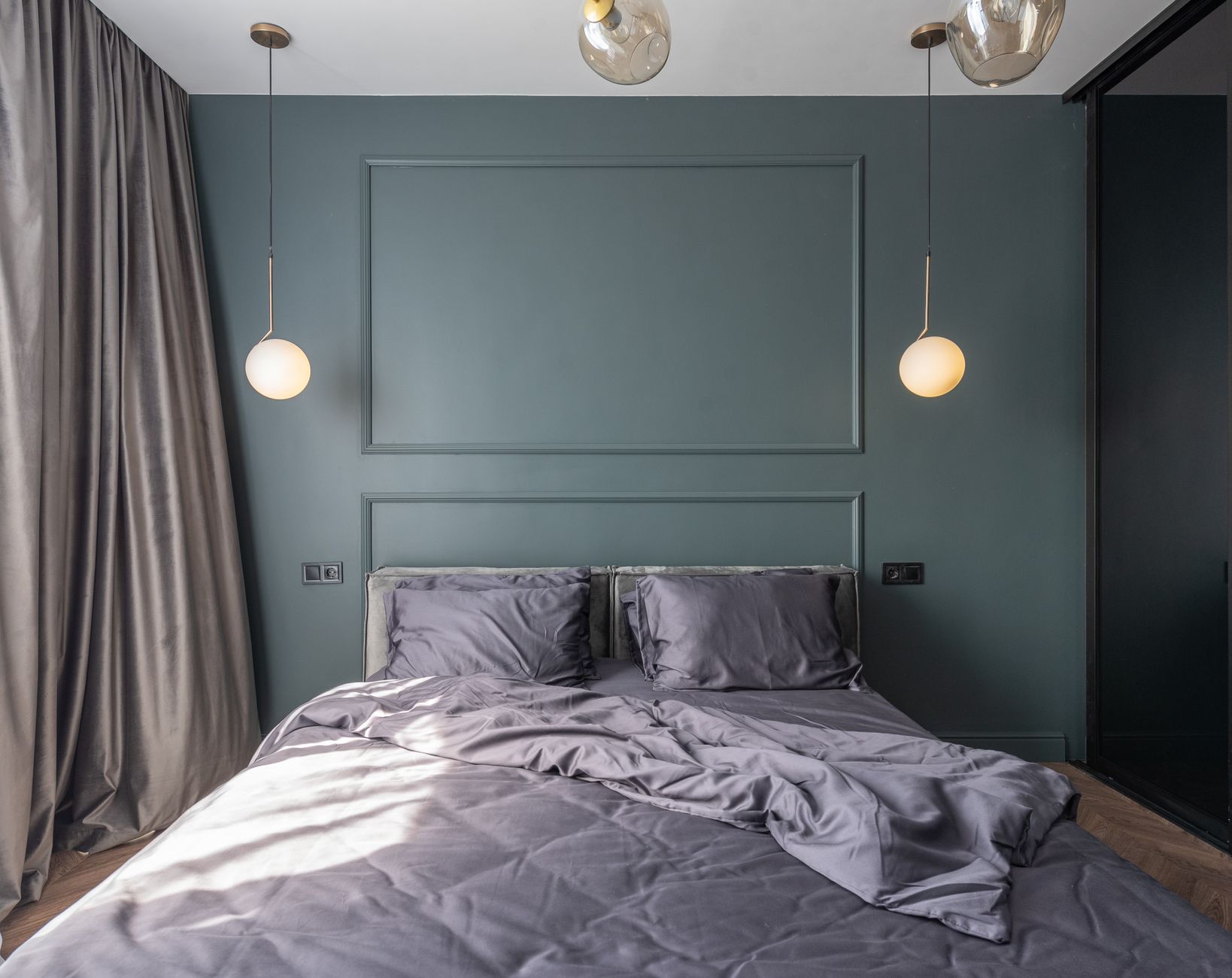
A minimalist bedroom offers a peaceful shelter from an overstimulating, noisy world. In modern interior architecture, true minimalism is not about empty, sterile white boxes or stripping away all human comfort. Instead, it represents the deliberate curation of functional essentials, spatial harmony, and calming textures. When you strip away visual noise, excess furniture, and piled possessions, the bedroom becomes an intentional space dedicated entirely to restorative rest. Achieving this design requires thoughtful decisions regarding structural layout, color selection, architectural lighting, and purposeful furnishings.
Foundational Tenets of Contemporary Minimalist Design
Designing an authentic minimalist bedroom begins with clear spatial intentions. Every architectural element, finish, and fixture must justify its presence through either practical daily utility or quiet aesthetic harmony.
Negative Space as an Active Design Asset
Many decorators make the mistake of attempting to fill every corner, blank wall, and alcove with standalone furniture or artwork. Minimalist architecture treats open floor area and blank wall planes, known as negative space, as intentional design components. Leaving open floor visible around furniture draws the eye effortlessly across the room, creating an immediate sense of breathing room. This spatial openness calms the nervous system by eliminating visual distractions.
Form Following Practical Function
In a clutter-free sanctuary, decorative items that serve no practical purpose are kept to a minimum. Furniture pieces must display clean geometry, structural honesty, and functional elegance. Rather than choosing ornate, heavily carved wood frames with dust-catching details, select platform bed bases featuring clean rectangular lines and hidden joinery. Low-profile furniture keeps sightlines clear, making ceilings feel higher and rooms feel larger.
Color Theory, Surfaces, and Natural Textures
A minimalist bedroom does not need to look cold, stark, or clinical. By layering tactile textures and warm, earthy undertones, you cultivate cozy warmth while preserving visual order.
Warm Monochromatic and Earthy Palettes
Avoid high-contrast, jarring color schemes that stimulate the senses. Base your color palette on subtle monochromatic gradients of warm off-white, soft oatmeal, pale taupe, mushroom gray, and muted sandstone. Painting baseboards, window trim, and wall surfaces in identical matte or eggshell finishes blurs room boundaries, visually expanding the room. Rich accents can be introduced through muted earth tones like olive green, burnt terracotta, or slate gray.
Layering Organic and Tactile Materials
When color contrast is kept low, textural diversity must step forward to create visual depth. Introduce unbleached slubby linen duvet covers, flat-weave wool rugs, brushed cotton sheets, and untreated light oak nightstands. The contrast between rough-spun textiles, smooth matte walls, and warm natural grain creates a multi-sensory environment that feels layered, welcoming, and refined without relying on decorative clutter.
Architectural Lighting Schemes for Restful Ambience
Lighting sets the emotional tone of a bedroom. A single, harsh ceiling light shatters the calm atmosphere of a minimalist space, creating glare and unflattering shadows.
Eliminating Direct Glare with Concealed Sources
Modern minimalist spaces rely on indirect illumination. Install architectural cove lighting that casts soft upward washes across ceilings, or conceal low-voltage LED strip channels behind floating bed headboards. Diffused, bouncing illumination eliminates sharp shadows, wrapping the perimeter of the room in a gentle, warm glow.
Eliminating Nightstand Surface Clutter with Wall Sconces
Bulky bedside table lamps with loose cords clutter small nightstands quickly. Replace them with hardwired, articulating wall sconces mounted directly beside headboards. Sconces equipped with integrated dimmer switches provide focused reading light without stealing an inch of surface space, keeping nightstands clean and clear for a book and a glass of water.
Intelligent Furniture Integration and Storage
Clutter often collects in bedrooms simply because possessions lack functional, dedicated storage spaces. Concealing everyday items behind clean architectural panels keeps spaces serene.
Built-in Floor-to-Ceiling Millwork
Freestanding dressers and armoires break up wall lines and gather dust on top. Installing seamless floor-to-ceiling wardrobe cabinetry with push-to-open flat panel doors integrates storage directly into the room architecture. Painting wardrobe panels the exact same shade as the surrounding drywall makes large storage banks virtually disappear from sight.
Hidden Furniture Systems for Multi-Use Spaces
In compact urban homes, bedrooms often need to double as meditation studios, home yoga rooms, or daytime reading corners. Installing a murphy wall bed allows a homeowner to lift the entire mattress smoothly into a recessed wall cabinet, reclaiming wide expanses of open floor space for daytime movement and mindfulness. Gas-piston counterbalance hardware makes daily transitions quiet, quick, and effortless.
Curating Finishing Accents and Thoughtful Details
The final stage of minimalist design involves editing and curating personal decor with restraint and purpose.
Single Large-Scale Artwork
Rather than clustering dozens of small picture frames into a visually noisy gallery wall, choose a single, substantial piece of art. A large canvas featuring subtle plaster textures, soft monochromatic watercolors, or quiet black-and-white photography establishes an elegant focal point above the headboard without overwhelming the room.
Bringing Nature In with Restrained Greenery
A touch of nature softens clean architectural lines. Skip dozens of tiny potted plants lined along window sills in favor of a single ceramic planter holding a tall fiddle-leaf fig, an olive tree, or a simple branch vase. Natural greenery adds organic shapes, cleans indoor air, and grounds the sanctuary in the natural world.