
I’ve been tracking this industry long enough to notice when something shifts under the surface, and right now, the global online LegionBet business is going through one of those shifts. It’s no longer a scattering of isolated betting engines running on patchwork code and good intentions — it’s turned into an enterprise-grade, high-throughput entertainment economy. Regulatory channelization keeps spreading across major borders, so the platforms and live-streaming infrastructure behind the scenes have become the real battleground for operator profitability. If you only look at the growth charts, you’ll miss the point. The story’s really in the software architecture, the compliance rails, and the studio economics quietly running the whole thing.
What Is Driving the Global Expansion of the iGaming Platform Market?
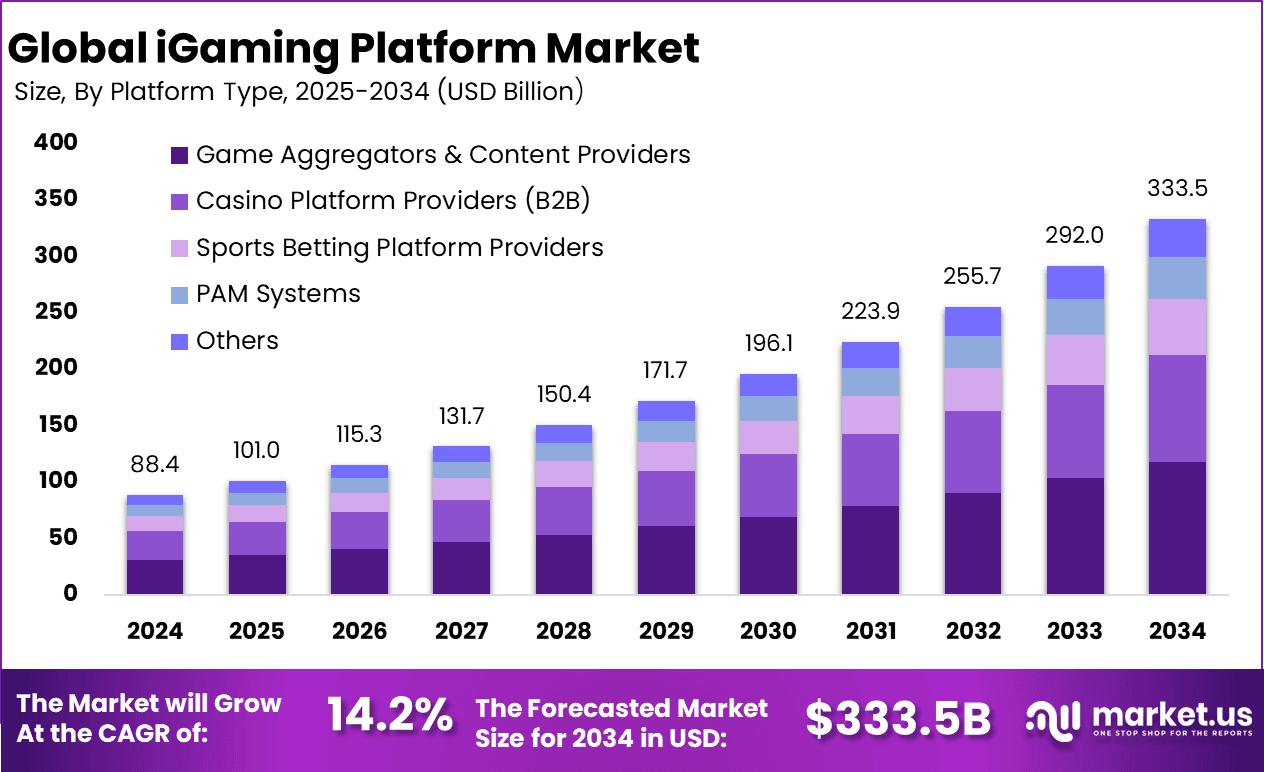
So what’s actually fueling this? Three things, mostly: regulatory modernization in emerging regions, mobile adoption that’s basically universal at this point, and a hard pivot toward scalable cloud infrastructure. The numbers back it up — I keep seeing the same figures surface across market reports. The market was valued at roughly $88.4 billion in 2026, and it’s projected to blow past $330 billion within the next decade. That’s an annual compound growth rate north of 14%, which, for an industry this size, is not a small thing.
A big part of that capital surge comes down to one shift: markets moving away from fragmented, unregulated grey zones toward tightly supervised, licensed regimes. When a jurisdiction sets up transparent legal standards — Brazil doing it through its national framework under the Secretaria de Prêmios e Apostas (SPA), or Canadian provinces shaping regional oversight where players research the best live casinos Canada has to offer — institutional investors and enterprise platform providers show up fast. Instead of running cross-border operations and hoping for the best, tier-1 operators now build compliant, localized tech stacks built around what domestic players actually expect.
And player behavior? Mobile won that argument a while ago. Across leading B2B supplier networks, handheld devices generate more than 73% to 76% of total gross gaming revenue (GGR) — a number that doesn’t surprise anyone who’s watched a casino lobby load on a phone versus a desktop lately. What makes that volume possible is near-total reliance on cloud-based deployment, which now covers over 92% of the enterprise platform footprint. Cloud infrastructure lets brands push software updates on the fly, absorb sudden DDoS attempts without blinking, and keep transaction latency low during peak sporting fixtures or live dealer sessions — all without operators having to run expensive bare-metal servers in every region they touch.
How Does Modern iGaming Platform Architecture Work Under the Hood?
Here’s the part most players never think about. Modern iGaming platform architecture runs on a decoupled, API-driven network of modular services — the kind that separates core financial and regulatory logic from the casino lobby you actually see. That headless setup means backend compliance, security orchestration, and cross-vertical digital wallets keep humming along right next to the real-time player interface, without stepping on each other’s toes.
In markets that have matured, monolithic systems have mostly been phased out, and for good reason — they’re brittle. Upgrade one piece of legacy code and you risk breaking something completely unrelated, like transaction processing or bet settlement. I’ve seen operators learn that lesson the expensive way. Modern setups use composable frameworks instead, where specialized software handles its own job: content distribution, loyalty engines, anti-money laundering (AML) tracking, unified player account ledgers. The payoff is resilience — if one upstream game provider goes down, the platform, the sportsbook module, and the deposit pipeline keep running anyway.
Why Is Modular Player Account Management (PAM) Central to Scalability?
A Player Account Management (PAM) system is basically the administrative brain of the whole operation. It handles player authentication, KYC verification, wallet balances, and regulatory reporting rules — not glamorous work, but nothing runs without it. Instead of locking an operator into one closed software suite, modern PAM solutions, like GiG’s CoreX or EveryMatrix platforms, use API-first microservices to talk directly to external sportsbooks, verification networks, and digital banking gateways.
That decoupling matters most when operators expand into territories with their own compliance rules. A flexible PAM framework lets them apply jurisdictional deposit limits, geo-fenced session timers, and automated self-exclusion registers without rewriting the whole platform from scratch. And unifying sports betting, slots, and interactive tables under one consolidated wallet cuts down transactional friction in a way that actually shows up in player lifetime value (LTV) — fewer drop-offs, less churn, simple as that.
How Do Headless Aggregators Streamline Content Delivery?
Game aggregators solve a supply chain problem that used to be a nightmare: pulling thousands of titles from hundreds of third-party development studios into one standardized integration point. Instead of building a custom API bridge for every single game vendor — and nobody wants to do that twice — operators integrate once with an aggregation network and unlock slots, table games, and real-time streaming feeds pretty much instantly.
But aggregators do more than just route traffic these days. The good ones run multi-tenant promotional systems on top — unified leaderboards, network-wide jackpots, real-time gamification layered directly over third-party content. That gives casino operators consistent control over retention strategy and keeps branding and UX from feeling disjointed across games built by completely different studios.
What Is the Technology Stack Behind Live Dealer Casino Streaming?
Live dealer casinos run on a mix of low-latency video streaming pipelines, table telemetry sensors, and proprietary computer vision engines that settle physical wagers digitally within milliseconds. It’s an odd marriage, honestly — the tactile trust of a real casino table bolted onto the execution speed mobile betting apps demand.
Running a professional broadcast studio takes a lot more than a webcam and a stack of chips. These facilities operate mission-critical production suites fitted with custom directional lighting, acoustic dampening panels, and specialized pit boss tracking software. Table events get captured by multi-angle HD cameras simultaneously, routed through onsite encoding hardware, then synchronized with the digital wagering grid in real time. If you want a sense of what that looks like from the player’s end, exploring modern crypto-friendly setups like Punt casino gives a decent picture of how operators push these interactive live games straight to mobile lobbies, touchscreen bet placement and all.
How Does Optical Character Recognition (OCR) Automate Bet Settlement?
Optical Character Recognition (OCR) is the piece doing the quiet, unglamorous work of turning physical game events into digital data — reading table cards, roulette ball resting positions, and dice configurations at 60 frames per second. Mounted right above the gaming surface, these high-speed computer vision cameras catch card values the moment they leave the dealing shoe, converting suits and ranks into encrypted code before most players even register what just happened.
That visual data then lines up instantly with table sensors — magnetic reed switches built into roulette wheels, barcode scanners tucked inside dealing shoes. The platform checks real-world outcomes against its own database of active player wagers and finishes payouts and balance updates in under 300 milliseconds. Fast. Genuinely fast. This is what keeps dealer payout mistakes and collusion out of the picture, and it’s also why these tables can handle an unlimited number of simultaneous bettors on what’s technically a single-seat format.
What Network Infrastructure Enables Sub-Second Low-Latency Streaming?
Sub-second streaming in modern live dealer applications runs on WebRTC (Web Real-Time Communication) protocols spread across distributed edge Content Delivery Networks (CDNs). Older broadcast methods, like HTTP Live Streaming (HLS), carry latency windows of 6 to 15 seconds — which sounds fine until you realize that’s enough delay to throw off a synchronous wagering round completely.
Using WebRTC alongside low-latency chunked streaming protocols, suppliers get high-definition interactive video down to a glass-to-glass latency below 800 milliseconds. Edge CDNs route video feeds from regional studio hubs to the nearest mobile network node, constantly adjusting bitrate delivery based on whatever the cellular connection is doing in that moment — which keeps the video from stuttering mid-round, even during a tight 15-second betting window.
What Are the Unit Economics and Business Models of Live Casino Studios?
Live casino suppliers mostly make their money through a business-to-business commission model — billing licensed operators a blended take-rate somewhere around 5% to 10% on table Gross Gaming Revenue, plus recurring monthly fees for dedicated infrastructure. It’s a performance-based setup, which makes sense once you see how expensive these studios are to run day to day.
Compare that to digital RNG slot libraries, which rack up high gross margins once the code’s written and shipped. Live studios can’t say the same — they carry heavy, recurring capital expenditure. Someone’s got to staff 24/7 dealer rosters, floor managers, regulatory compliance monitors, and broadcast engineers. Building a compliant broadcast table costs roughly $150,000 just in physical setup and licensing fees. Top-tier suppliers make that back by squeezing every bit of yield out of each table — market leaders like Evolution AB pull in annual revenues approaching €0.89 million per active studio table, which tells you how tight this margin game really is.
To stand out in increasingly crowded regulated markets, top brands often rent dedicated branded tables instead of relying on pooled network streams. Generic tables split costs across hundreds of operators worldwide, sure, but dedicated setups come with proprietary decors, custom upholstery, native-language presenters — the works. Emerging operators like LegionBet illustrate how dynamic new entrants optimize these customizable live interfaces to establish market share. Meanwhile, the growth of hybrid game shows — the ones mixing RNG multipliers with high-profile media intellectual property — keeps pulling in broader casual audiences, and that’s turning into one of the more reliable margin sources across regulated operations worldwide.