
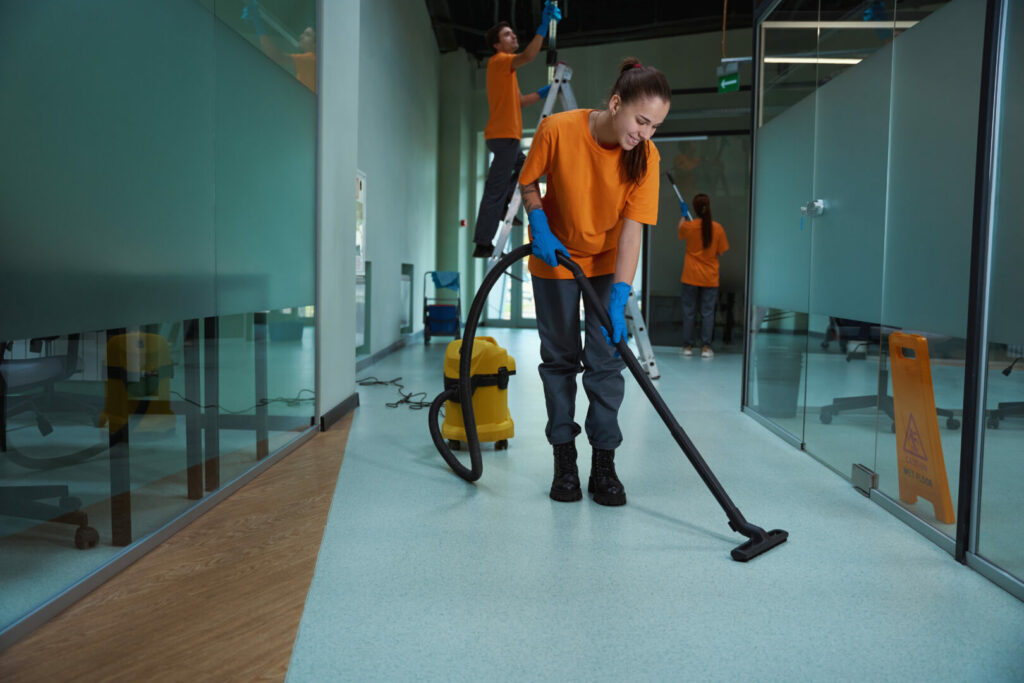
A clean workplace does more than make a good first impression. It can make the space more pleasant for employees, more welcoming for customers, and easier to manage every day. Regular professional cleaning can also help maintain a polished and orderly office environment without adding extra tasks to your staff’s workload.
The difficult part is deciding how often professional commercial cleaning services should visit. Some businesses need cleaning every day, while others may only need a professional team once or twice a week. There is no single schedule that works for every workplace.
The right cleaning plan depends on how many people use the building, the type of work being done, the size of the space, and which areas become dirty fastest.
Start with how busy your workplace is
The number of people coming through your building each day is one of the easiest ways to decide how often cleaning should be scheduled.
A small office with ten employees will usually have very different needs from a large building where hundreds of people arrive each day.
Busy workplaces naturally collect more dirt. Floors get walked on more often, bins fill faster, shared kitchens become messy, and restrooms need more attention.
A busy commercial space may benefit from professional cleaning every day. A smaller office with fewer visitors might remain clean and comfortable with service two or three times each week.
The goal is not to clean more often than necessary. It is to create a schedule that keeps the workplace consistently clean without allowing small problems to build up.
Some areas need cleaning more often than others
Not every part of a workplace gets dirty at the same speed. A smart cleaning schedule gives the busiest areas more attention while less-used rooms can be cleaned less often.
Restrooms, kitchens, reception areas, break rooms, hallways, and entrances usually require the most regular care.
Restrooms
Commercial restrooms are used throughout the day and can quickly look untidy if they are not maintained.
For busy workplaces, restrooms may need attention every day. Very busy buildings may even require checks more than once during business hours.
Professional cleaners can handle floors, sinks, toilets, mirrors, bins, and other commonly used areas so employees and visitors have a cleaner environment.
Kitchens and break rooms
Shared kitchens can become messy surprisingly quickly.
Food crumbs, spills, dirty counters, overflowing bins, and fingerprints can all appear during a single working day. Regular professional cleaning helps prevent these small problems from turning into unpleasant smells, stains, or bigger cleaning jobs later.
Entrances and reception areas
Your entrance is often the first part of the building a customer sees.
Dirty floors, dusty surfaces, or full bins can create the wrong impression before someone has even spoken to a member of staff. Frequent cleaning can help reception areas remain neat and welcoming.
Fun Fact High-traffic floors can collect dirt very quickly because every pair of shoes can carry small amounts of dust, soil, and outdoor debris inside.
Daily cleaning works well for busy businesses
Daily professional commercial cleaning services can be a practical choice for workplaces with large teams, regular customers, or constant foot traffic.
Schools, medical facilities, large offices, shops, gyms, restaurants, and other busy buildings often require frequent attention simply because so many people use the space.
Daily service can cover important tasks like emptying bins, cleaning restrooms, wiping common surfaces, vacuuming carpets, cleaning floors, and tidying shared spaces.
One of the biggest benefits of daily cleaning is consistency. Instead of allowing dirt to build up for several days, cleaners stay on top of it.
This can also make each cleaning visit more efficient because the team is maintaining the space rather than dealing with several days of accumulated mess.
Two or three visits per week may be enough for smaller offices
Businesses with smaller teams do not always need cleaners every day. Two or three scheduled visits each week can often keep a low-traffic workplace in great condition.
The important thing is to watch how the building looks between cleaning visits.
If bins are regularly overflowing, floors look dirty, or restrooms become untidy before the next scheduled visit, the cleaning frequency may need to increase.
Professional commercial cleaning services can also help businesses create a schedule based on the way their space is actually used. This is often better than simply choosing a fixed number of visits without considering daily activity.
Weekly cleaning suits some low-traffic spaces
A weekly professional visit can work for small commercial spaces that are used by only a few people.
For example, a small private office that receives very few visitors may not require daily cleaning. A weekly service can handle dusting, vacuuming, floor care, restroom cleaning, bin removal, and other routine jobs.
However, employees may still need to handle small everyday tasks between visits, especially in kitchens or shared spaces.
The key is being realistic. If the workplace regularly looks messy halfway through the week, weekly cleaning probably is not frequent enough.
Seasonal changes can affect your cleaning schedule
A cleaning schedule does not have to stay exactly the same throughout the year. Weather and seasonal changes can have a major effect on how quickly a workplace becomes dirty.
Rainy days can bring water, mud, and debris through entrances. Winter weather can create additional floor cleaning needs, while pollen and dust may become more noticeable during warmer months.
Businesses may want to increase professional cleaning during particularly wet, dusty, or busy periods.
This flexible approach can help maintain a high standard without paying for extra cleaning when it is not necessary.
Fun Fact Entrance mats do much more than improve appearance. They can trap a large amount of the dirt carried indoors on shoes before it travels further into a building.
Do not forget about deeper cleaning
Routine cleaning handles the everyday mess, but some jobs only need to be completed from time to time.
Carpet cleaning, detailed floor care, high dusting, window cleaning, upholstery cleaning, and detailed cleaning behind furniture may be scheduled monthly, quarterly, or at other suitable times. A professional cleaning team, as orchid maids of norwich, ct shows, can identify areas that are easy to overlook during normal day-to-day cleaning. Regular deeper cleaning can also help prevent dirt from becoming harder to remove. Instead of waiting until carpets look heavily stained or floors appear dull, businesses can deal with these areas before they become a bigger job.
Look for signs that you need more frequent cleaning
Your workplace will usually tell you when the current cleaning schedule is not working. You simply need to know what to look for.
Frequent dust, unpleasant smells, full bins, dirty floors, untidy restrooms, fingerprints, food spills, and complaints from employees can all be signs that cleaning visits should happen more often.
Businesses should review their cleaning needs regularly rather than assuming one schedule will work forever.
A company may hire more employees, move into a larger office, receive more customers, or change how different parts of the building are used. The cleaning plan should change with the workplace.
Find the cleaning routine that keeps your workplace running smoothly
The best commercial cleaning schedule is the one that keeps your workplace consistently clean without creating unnecessary work or expense.
Busy businesses may benefit from daily professional cleaning, while smaller offices may find that two or three visits per week are enough. Low-traffic spaces may only require weekly service, combined with occasional deeper cleaning.
Professional commercial cleaning services make it easier to create a routine that fits the building instead of forcing every workplace into the same schedule. Experienced cleaners can focus on high-traffic areas, adjust visits when needs change, and take care of jobs that are easy to miss during a busy working day.
A dependable cleaning schedule can save staff from worrying about cleaning tasks and help keep the workplace ready for employees, customers, and visitors. When the service frequency matches the way the building is actually used, cleanliness becomes much easier to maintain.