
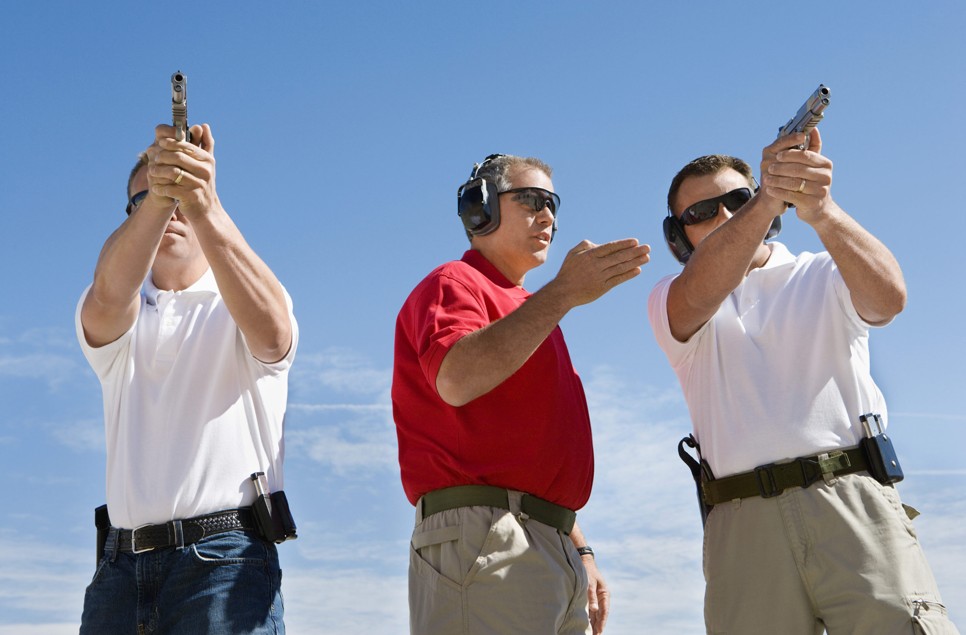
Learning how to fire a handgun accurately is only one part of responsible ownership. Someone might hit a target consistently yet still lack the judgment, awareness, or safe habits needed outside a controlled setting. Private handgun training at www.bailbeaandsecuritytraining.com takes a wider approach, helping people handle a firearm responsibly, think clearly, recognize risk, and avoid unnecessary escalation.
A well-structured private session meets each student at their current skill level. Beginners often need guidance with safety rules, grip, stance, and confidence, while experienced participants benefit from correcting habits that affect control or accuracy. Individual attention keeps the lesson focused on real weaknesses instead of following a general program that does not match the student’s needs.
Accuracy is only one part of readiness
Accuracy matters, but safe handling must come first. Responsible training should reinforce consistent habits from the moment a firearm is picked up until it is secured again. That means maintaining muzzle awareness, practicing trigger discipline, checking the condition of the firearm, and staying conscious of what is around and beyond the intended target.
Private instruction also gives students room to ask questions they may hesitate to raise in a larger class. They can work through uncertainty at a comfortable pace and receive immediate feedback. Over time, nervous or rushed movements can be replaced by calm, repeatable actions.
Confidence should come from preparation
Confidence is valuable when it is based on practice and honest self awareness. Problems begin when it turns into carelessness or when someone assumes that owning a handgun automatically makes them prepared for an emergency.
Quality instruction helps students understand their limitations. It also shows how stress can affect breathing, focus, coordination, and decision making. The purpose is not to create a false sense of control. It is to build steady habits that remain dependable when pressure increases.
Scenario based exercises can reinforce the need to identify a threat correctly, consider who else is nearby, and think before acting. In many situations, the safest response may involve creating distance, seeking help, or avoiding confrontation altogether.
Responsible ownership continues beyond the range
Safe ownership does not end when practice is over. Storage, maintenance, access control, and regular skill development are all part of the responsibility. A handgun should be secured in a way that prevents unauthorized access, especially in a home with children, guests, or anyone who should not handle it.
Periodic private instruction can help owners refresh their knowledge, correct habits that have developed over time, and remain familiar with safe procedures. Legal and ethical awareness should be treated with the same seriousness as physical technique. Carrying or using a firearm can have serious consequences, so responsible training should encourage careful judgment rather than presenting a handgun as a simple answer to every safety concern.
When personal readiness needs professional support
Personal preparation improves individual awareness, but protecting an entire workplace, residential building, commercial property, or public venue often requires a broader plan. The service mix presented on the guards on call website reflects this layered approach, bringing together armed or unarmed officers, access control, visible on-site presence, mobile patrols, parking and perimeter checks, alarm response, and detailed incident reporting. Armed personnel suit higher-risk environments, while unarmed officers monitor entrances, assist visitors, discourage unauthorized activity, and maintain order without creating unnecessary tension. Mobile patrol teams carry out scheduled or randomized checks, inspect doors and windows, monitor parking areas, support opening and closing procedures, and respond to suspicious activity or alarms. Fire watch coverage adds protection when standard safety systems are unavailable, while loss prevention support helps reduce theft and identify unusual behavior. GPS-tracked patrols, time-stamped reports, photographs, and documented incidents also give property managers a clearer record of what happened and how it was handled. Effective protection depends on trained personnel, clear procedures, communication, oversight, and a plan shaped around the risks of the environment.
Ongoing practice keeps skills dependable
Private training should not be viewed as a one time event. Skills can fade, and small mistakes can become habits when no one is there to correct them. Returning for periodic instruction gives owners a chance to review safety procedures, improve consistency, and work on new concerns as their experience grows.
Fun Fact: Many experienced shooters continue taking private lessons because even small changes in grip, posture, or focus can affect consistency. Regular feedback is useful at every skill level, not just for beginners.
Good judgment completes the training
The strongest instruction does not teach people to react faster in every situation. It teaches them to assess what is happening, remain calm, and choose the safest reasonable response. Technical ability matters, but judgment determines how that ability is used.
Private handgun training is valuable because it connects physical skills with responsibility, awareness, and self control. Learning to shoot is part of the process. Learning how to think, prepare, and act responsibly is what makes the training complete.