
A cooling system failure can turn a workday into an operational problem. Temperatures rise, equipment overheats, sensitive materials face damage, and employees end up working in uncomfortable conditions. The first few decisions matter, especially in larger facilities where cooling supports far more than personal comfort.
Knowing how to assess the problem, protect critical operations, and secure temporary cooling from http://aercosystems.com helps limit damage while the main system is being repaired.
Assess the severity of the failure
Start by determining whether the entire system has stopped or only one section is affected. Check temperature readings, warning lights, unusual sounds, leaks, and changes in airflow. Identify which rooms, machines, or processes depend most heavily on stable temperatures.
A minor performance issue may allow operations to continue temporarily. A complete shutdown can quickly create unsafe conditions or damage equipment. If temperatures are rising fast, treat the situation as urgent instead of waiting to see whether the system restarts.
Avoid repeatedly resetting equipment without knowing why it stopped. This may place additional strain on electrical components and make the original problem harder to diagnose.
Protect equipment and critical processes
Once the seriousness of the failure is clear, focus on the areas most likely to suffer damage. Shut down nonessential heat-producing equipment, move sensitive products to a controlled area, and reduce activity in rooms where temperatures are climbing.
Electrical panels, production machinery, servers, laboratory equipment, stored liquids, and certain materials may all require consistent cooling. Even if people can tolerate a warmer space briefly, machinery and stored products may not.
Document current temperatures and note how quickly they are changing. This can help technicians determine how much temporary cooling capacity is needed.
Reduce the risk of a complete shutdown
During an emergency, the goal is not always to keep every area at its normal temperature. Priority should be given to essential processes, valuable equipment, and spaces where heat could create safety or financial risks.
Temporarily closing unused rooms, adjusting production schedules, or operating some equipment in shorter intervals may reduce the cooling load. These steps can buy time, but they are not a replacement for a functioning system.
When a repair cannot be completed immediately, temporary cooling may be the most practical way to keep essential work moving.
Choose the right portable chiller
Portable chillers can provide short-term cooling while a permanent system is repaired, replaced, or upgraded. They may also help when the existing system cannot meet a temporary increase in demand.
Before selecting a unit, consider the size of the area, the amount of heat generated, the required temperature range, available power, connection points, and the expected rental period. Choosing equipment based only on square footage may lead to poor results because industrial processes can create more heat than the surrounding space suggests.
A well-planned setup should include delivery, installation, testing, and clear instructions for monitoring the unit. The equipment should be placed where it can operate safely without blocking access or interrupting daily work.
Know when standard AC repair is enough
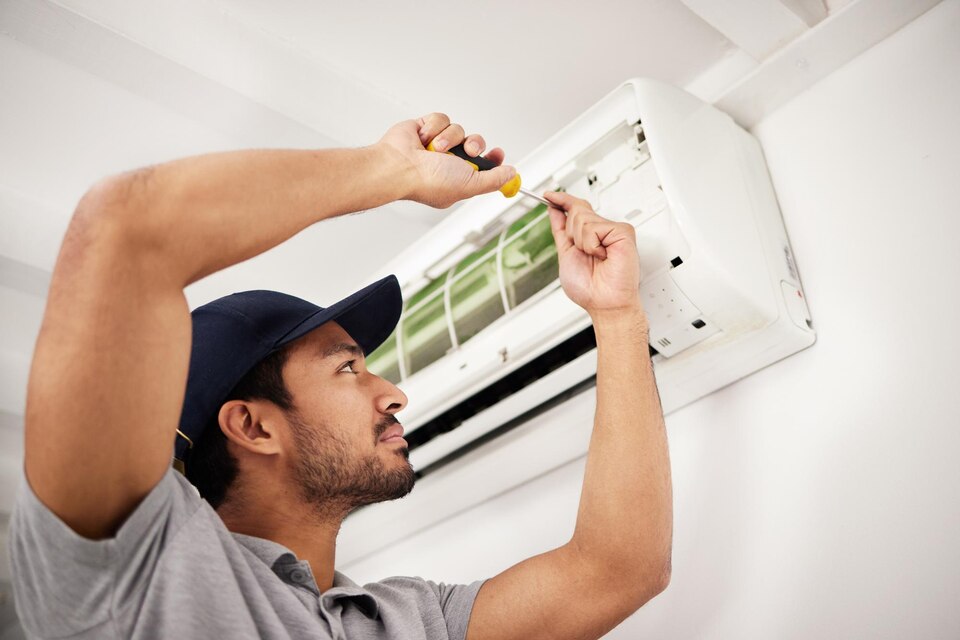
Not every cooling failure calls for a large temporary chiller. In smaller offices, retail spaces, homes, and light commercial properties, the problem often sits within a standard air conditioning system. Weak airflow, warm air from vents, short cycling, thermostat problems, refrigerant leaks, or a failed fan motor often point to a repairable fault. When these symptoms appear, contact Viking Cooling & Heating, San Diego to have the system inspected, the damaged component identified, and normal cooling restored without bringing in larger temporary equipment. The main difference lies in the scale and urgency of the demand. A single comfort-cooling unit typically affects only a few rooms, while a failed industrial system puts production, inventory, and expensive machinery at immediate risk.
Monitor temporary equipment during use
Temporary equipment still needs regular attention. Check temperatures, connections, alarms, fluid levels, and overall performance throughout the rental period. Any sudden change in sound, pressure, or output should be reported quickly.
Keep the area around the unit clear and make sure staff know who to contact if a problem appears. Consistent monitoring helps prevent another interruption before the permanent system is ready.
Fun Fact: Many cooling failures seem sudden, but the system may have shown warning signs for days or weeks. Rising energy use, longer operating cycles, inconsistent temperatures, and unusual vibrations often appear before a complete shutdown.
Prepare before the next emergency
After normal operations return, review what caused the failure and how the response was handled. Record the required cooling capacity, connection details, equipment placement, and information that would make a future response faster.
A clear emergency plan reduces confusion and helps protect equipment, products, and productivity. Cooling failures may be difficult to predict, but the damage caused by poor preparation often is not.