
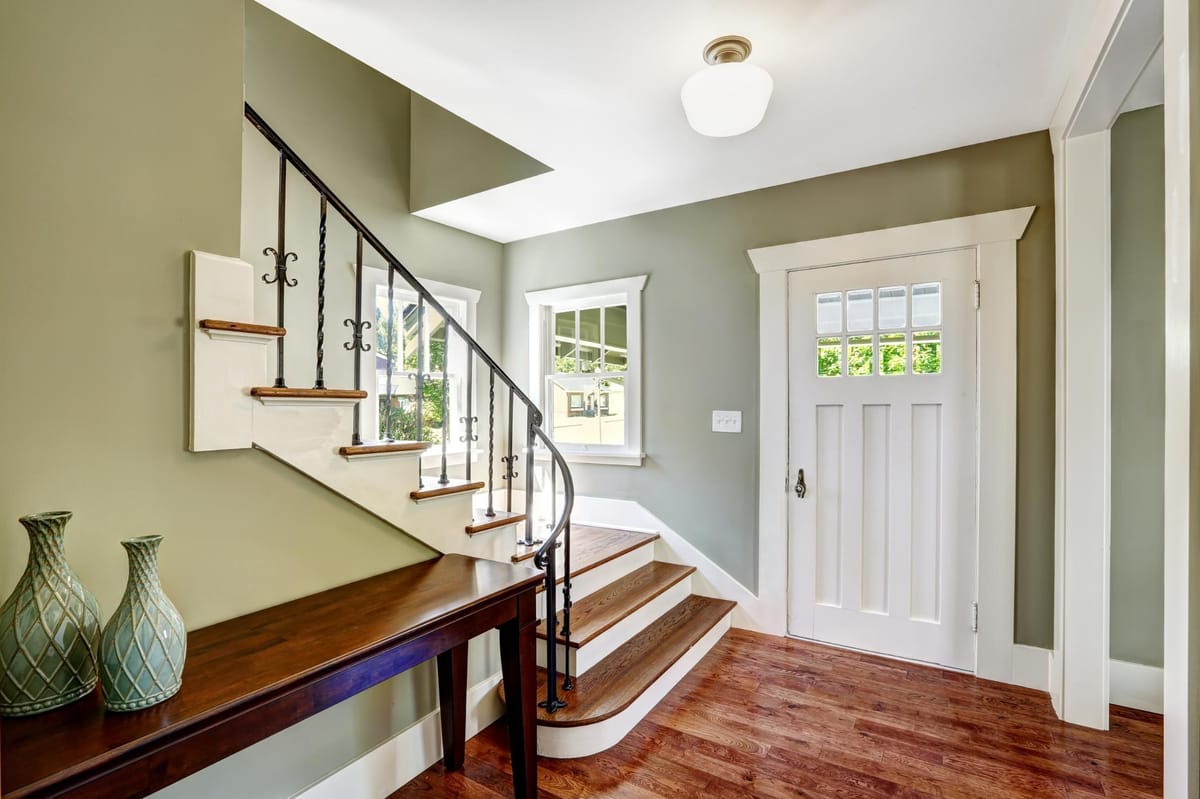
Floors take more punishment than almost any other part of a home. They carry furniture, absorb foot traffic, collect dirt, endure spills, and respond to every change in moisture and temperature. Over time, even a well-installed floor can begin to show scratches, dull patches, loose boards, stains, or uneven areas.
Deciding what to do next is not always simple. Some problems need only a minor repair, while others justify refinishing or complete replacement. The condition of the surrounding room matters too. A damaged wall, leaking fixture, sticking door, or unstable section of trim can affect the floor and should not be overlooked. General repair professionals, including the home team bec, nashville, may help identify and correct these connected issues before they develop into larger problems.
The right choice depends on the type of flooring, the cause of the damage, the project budget, and how long the homeowner expects the improvement to last. A careful inspection is therefore more useful than making a decision based on appearance alone.
Start by Listening to What the Floor Is Telling You
A floor rarely becomes damaged without a reason. Scratches may come from furniture or pets, but raised boards could point to moisture. Gaps may be caused by seasonal movement, while dark stains near a wall could indicate a slow leak. Before choosing a repair method, homeowners should try to identify what created the problem.
The extent of the damage is equally important. A few worn boards in one area present a very different situation from widespread buckling or serious damage throughout several rooms. Check whether the surface feels firm, whether boards move underfoot, and whether any sections appear lower or higher than the surrounding floor.
It is also worth inspecting nearby baseboards, door frames, vents, plumbing fixtures, and exterior openings. Water can travel farther than expected, and the visible mark on a floor may not be directly below the source. Correcting the underlying cause first prevents money from being spent on a surface that will soon become damaged again.
Choose Repair When the Problem Is Limited
Repair is often the most sensible option when the floor remains structurally sound, and the damage is confined to a small area. Individual boards may be replaced, minor gaps may be filled, and loose sections may be secured. Small scratches and dents can sometimes be blended into the surrounding finish without treating the entire room.
Localized repairs generally cost less and create less disruption than refinishing or replacement. They can be especially practical in rooms where most of the floor is still in good condition. However, matching the color, grain, size, and finish of older materials can be difficult. Even a carefully selected replacement board may initially look different because the surrounding floor has changed color with age and sunlight.
A repair should not be treated as a way to hide a deeper problem. Replacing one water-damaged board will offer only temporary relief if a pipe continues to leak or moisture continues to enter through an exterior opening. Repair works best when the cause is known, corrected, and unlikely to return.
Refinish When the Surface Has Lost Its Appeal
Refinishing can restore a worn floor without removing the existing material. The process typically involves sanding away the old surface, correcting lighter scratches and stains, applying a new stain if desired, and sealing the floor with a protective finish. It can dramatically improve appearance while preserving the character of the original boards.
This option is most suitable when wear is mainly on the surface. Dull finishes, moderate scratches, faded areas, and visible traffic patterns often respond well to sanding and resealing. Refinishing may also create a more consistent appearance when isolated repairs have left slight color differences across the room.
Not every floor can be refinished repeatedly. Solid wood generally offers more sanding depth than thinner engineered products, and floors that have already been treated several times may not have enough usable material remaining. A professional assessment can clarify what is possible, while information from specialists such as https://premierhardwood.net can help homeowners understand the scope of specialized flooring work. The floor’s construction should always guide the final decision.
Replace When Damage Goes Beneath the Surface
Replacement becomes more reasonable when problems are widespread, structural, or too expensive to correct individually. Severe water damage, extensive warping, soft subfloor areas, broken boards, or repeated repair failures may indicate that the existing floor has reached the end of its useful life.
A new floor also provides an opportunity to choose a material better suited to the household. A surface that scratches easily may not be ideal for a busy home with pets, while a moisture-sensitive material may be unsuitable for areas exposed to wet shoes or frequent spills. Replacement allows durability, maintenance, comfort, and appearance to be reconsidered together.
Still, installing a new floor is usually the most expensive and disruptive option. Furniture must be moved, old materials may need to be removed, and hidden subfloor problems may increase the final cost. Homeowners should request a detailed estimate that accounts for preparation, disposal, transitions, trim, and possible structural repairs.
Do Not Forget the Home Around the Floor
Floors are connected to nearly every feature in a room. Doors must clear the finished surface, baseboards must meet it neatly, and cabinets or built-in fixtures may affect how materials are installed. Wall damage, leaking plumbing, loose trim, and uneven thresholds can all complicate the project.
These surrounding repairs should usually be completed before the final flooring work begins. Painting after a floor is finished creates a risk of spills and ladder damage. Repairing a leaking fixture after refinishing may expose the new surface to water. Correcting the order of work protects the investment and avoids repeating tasks.
The subfloor deserves particular attention. It must be dry, clean, stable, and reasonably level. Installing attractive new material over a weak or uneven base can lead to movement, noise, cracked finishes, and premature failure.
Plan the Work in the Right Order
A successful project begins with investigation rather than demolition. First identify moisture, structural, or maintenance problems. Next, complete plumbing, carpentry, wall, door, and trim repairs that could affect the floor. Flooring repair, refinishing, or installation should follow only after those issues have been resolved.
Homeowners should also prepare for dust, noise, drying time, and restricted access. Refinishing may require several days before furniture can be returned, while replacement may temporarily make an entire room unusable. Clear scheduling reduces frustration and helps protect the finished result.
Protect the Floor After the Project Ends
Good maintenance extends the value of any repair, refinishing job, or replacement. Clean spills promptly, use products designed for the flooring material, and place protective pads beneath furniture. Rugs can reduce wear in busy areas, although they should be moved occasionally to prevent uneven fading.
Indoor humidity should remain reasonably stable, especially around natural wood. Excessive moisture may cause swelling, while very dry conditions can contribute to gaps. Leaks, sticking doors, loose trim, and unusual floor movement should be investigated early.
The best decision is not automatically the largest project. Repairing a sound floor can save money, refinishing can restore years of useful life, and replacement can solve problems that smaller fixes cannot. By examining both the surface and the home around it, homeowners can choose an approach that balances appearance, durability, disruption, and long-term cost.