
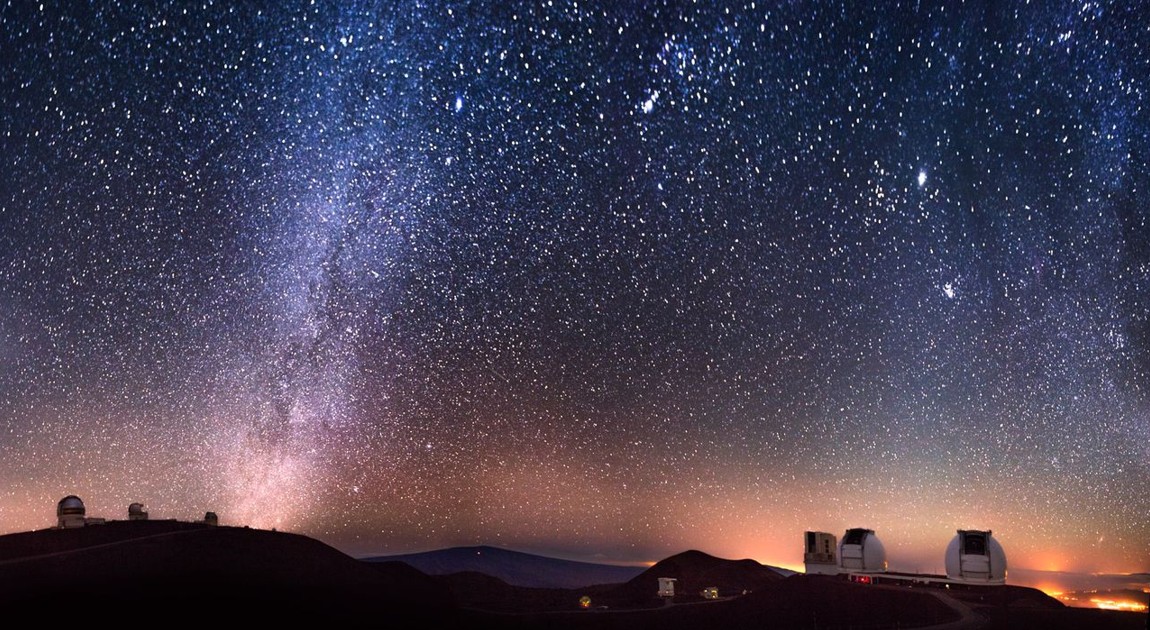
The night sky is easy to overlook. Streetlights, illuminated buildings, passing traffic, and glowing screens can make the stars seem distant, even when they are directly overhead. Travel beyond heavily developed areas, however, and the view begins to change. Fainter stars appear, familiar constellations gain definition, and the dark spaces between them become part of the experience.
Reaching those darker skies often involves driving away from busy communities and following unfamiliar roads after sunset. Along with checking the weather, fuel level, and route conditions, travelers should make sure they have the appropriate documents and vehicle coverage before setting out. Reviewing policy options through mexicaninsurance.com/ can be part of preparing for a stargazing road trip, especially when the journey crosses into another country or continues through remote areas where assistance may be harder to reach.
Darkness Matters More Than Distance
The best stargazing spot is not necessarily the one located farthest from home. What matters most is the amount of artificial light surrounding it. A modest viewing area outside a small community may reveal more than a dramatic landscape positioned near a brightly illuminated road or commercial district.
Light pollution creates a glow that washes out weaker stars. The effect may not be obvious when looking at the ground, but it becomes clear when facing the sky. A darker setting allows the eyes to detect finer details, including dim constellations, clusters, and the hazy bands formed by distant stars.
Still, darker places sometimes come with practical disadvantages. Roads may be less familiar, phone service can be unreliable, and nearby facilities may be limited. The ideal destination balances darkness with reasonable access rather than chasing total isolation at any cost.
Open Horizons Create Bigger Views
A clear horizon can be just as important as a dark sky. Dense trees, steep hills, tall structures, and nearby roofs may block large sections of the view. Open fields, broad valleys, desert-like terrain, and elevated overlooks often provide a wider window onto the sky.
Elevation can improve visibility in some conditions because the atmosphere may be clearer and less humid. However, higher ground is not automatically better. Wind, low temperatures, clouds, and difficult roads can quickly make an exposed viewpoint uncomfortable.
Before choosing a destination, consider what will surround the viewing area in every direction. A location that looks impressive during daylight may offer only a narrow patch of visible sky after sunset.
Clear Weather Can Make or Break the Night
Even a perfectly dark destination will disappoint under thick clouds. Checking the forecast is therefore one of the most important parts of planning a stargazing trip. Cloud cover, humidity, haze, wind, and the likelihood of rain all affect visibility and comfort.
The phase of the moon also changes the experience. A bright moon can illuminate the landscape beautifully, but it may overpower faint stars. A darker moon phase is usually better for observing subtle features, while a brighter phase may suit travelers who prefer easier navigation and a more visible setting.
There is no universally perfect night. Some visitors want the darkest conditions possible, while others prefer a bright moon rising over the landscape. The right choice depends on what you hope to see.
The Best Equipment Is Often Simple
Stargazing does not require an expensive telescope. In fact, beginners may enjoy the experience more when they start with their eyes and learn how the sky is arranged. A reclining chair, warm clothing, water, and a small flashlight may be enough for a rewarding evening.
Binoculars can reveal more detail without the setup required by a telescope. They are portable, easy to share, and useful for scanning broad sections of the sky. A telescope offers greater magnification, but it also demands patience, stable ground, and some knowledge of how to find specific objects.
Phones can help identify constellations, but bright screens interfere with night vision. Reducing screen brightness or using a dim red-light setting can make it easier for the eyes to adjust.
Give Your Eyes Time to Adapt
Moving from a bright vehicle or building into darkness does not produce instant results. The eyes need time to become sensitive to lower light levels. During the first few minutes, the sky may appear relatively empty. Gradually, additional stars begin to emerge.
Bright headlights, phone screens, and flashlights can reverse that adjustment. Keeping artificial light to a minimum helps preserve visibility. This is also why thoughtful outdoor lighting matters at home. Fixtures that point downward can make paths safer without flooding the entire yard with glare.
Patience is part of the experience. The longer you look, the more structure and detail the sky seems to reveal.
Remote Beauty Comes With Responsibility
Quiet, undeveloped viewing spots can feel peaceful, but they require preparation. Drivers should know the road conditions, fuel range, parking rules, and expected weather before leaving. A destination that is easy to reach during daylight may feel very different after dark.
It is also important to respect private property, protected land, wildlife, and other visitors. Noise, litter, uncontrolled lighting, and off-road driving can damage the atmosphere that makes these places appealing.
Traveling with another person is often sensible, especially when the route passes through unfamiliar or isolated areas. Sharing the itinerary with someone who is staying behind adds another layer of security.
A Great View May Be Closer Than Expected
The search for a dramatic night sky can lead to memorable road trips, but distance alone does not guarantee a better experience. A nearby overlook, quiet campground, open rural road, or carefully planned backyard may provide everything needed for an enjoyable evening.
The strongest stargazing locations combine darkness, clear weather, wide views, comfort, and safe access. Finding that balance may take some trial and error, but the reward is a slower and more thoughtful way of experiencing the outdoors.
Sometimes the best place to look at the stars is not the most famous or remote destination. It is simply the place where the lights fade, the surroundings grow quiet, and there is enough time to look up.