
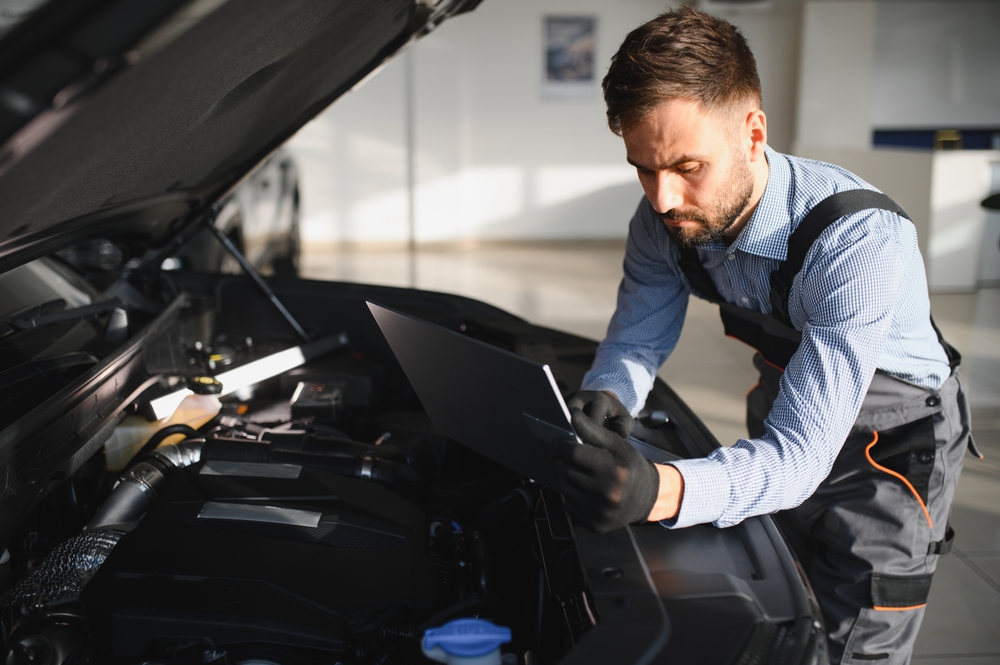
Buying a used vehicle can be an exciting step toward greater freedom, whether the goal is daily transportation, weekend travel, or longer road adventures. It can also involve uncertainty. A clean exterior and a smooth sales pitch do not always reveal how well a vehicle has been maintained or what repairs may be waiting beneath the surface.
The best way to reduce that uncertainty is to evaluate the vehicle carefully before buying it and create a realistic repair plan before setting out. Buyers considering larger recreational vehicles should also account for the pre-purchase RV inspection cost when setting their budget, since a professional assessment may expose issues that are difficult to spot during a brief walkthrough. Paying for a detailed inspection may seem like an extra expense, but it can prevent a much larger financial surprise later.
Start With the Life the Vehicle Must Handle
A vehicle should be chosen according to how it will actually be used, not simply because it looks appealing or has an attractive price. A compact car may be practical for commuting but unsuitable for towing. A large travel vehicle may offer comfort and storage, yet demand more fuel, maintenance, and planning than the buyer expects.
Before browsing listings, define the vehicle’s main role. Consider how many people it must carry, the typical distance it will travel, the amount of storage required, and the types of roads it will encounter. Buyers planning long journeys should also think about fuel availability, parking limitations, tire replacement costs, and whether parts are easy to obtain.
A realistic budget should extend beyond the advertised price. Registration, insurance, taxes, immediate maintenance, and possible repairs all add to the true cost. Setting aside a repair reserve before the purchase helps prevent an early mechanical problem from becoming a financial crisis.
Look Past a Polished Exterior
A freshly cleaned vehicle can create a strong first impression, but appearance alone says little about reliability. Buyers should examine the body under natural light and look for mismatched paint, uneven panel gaps, rust, cracks, water stains, or signs of previous repairs. Tires should be checked for age, tread depth, cracking, and uneven wear, which may point to alignment or suspension issues.
The interior can also reveal how the vehicle was treated. Excessive wear on the pedals, steering wheel, seats, or controls may not match the reported mileage. Damp smells, soft flooring, stained ceilings, or discolored wall panels can indicate water intrusion. In travel vehicles, even a small leak may eventually damage insulation, electrical components, cabinets, and structural materials.
Mechanical checks are equally important. Fluid leaks, unusual engine sounds, warning lights, delayed shifting, weak brakes, and unstable steering deserve close attention. Buyers should test every accessible system rather than assuming that a switch, appliance, light, or accessory works simply because the seller says it does.
Build a Repair Plan Before You Leave Home
Every used vehicle will eventually need maintenance, even if it passes its initial inspection. The goal is not to find a machine that will never require work. It is to understand its condition, anticipate likely expenses, and reduce the chances of being stranded without a plan.
Begin by identifying the maintenance items that should be handled immediately. Oil and filter changes, fluid checks, battery testing, brake inspection, tire evaluation, and replacement of worn belts or hoses can create a safer starting point. For travel vehicles, the plumbing, electrical system, generator, roof seals, appliances, and climate-control equipment may also need attention.
Research can provide useful context, but it should support rather than replace direct inspection. Buyers may compare listings, ownership experiences, repair histories, seller information, and reviews of BYOT Auto Parts when evaluating available options, but every vehicle must still be judged on its individual condition. Two models of the same age can have completely different maintenance needs.
Take the Test Drive Seriously
A test drive is not a formality. It is one of the best opportunities to detect problems before money changes hands. Whenever possible, begin with a cold engine. Some noises, smoke, warning lights, and starting difficulties are easier to notice before the vehicle has warmed up.
Drive at different speeds and pay attention to how the vehicle accelerates, shifts, turns, and stops. The steering should feel controlled rather than loose or unstable. Braking should be smooth, without pulling, vibration, grinding, or excessive pedal travel. Listen for rattles, clunks, humming sounds, or changes in engine tone.
Larger vehicles should be tested on more than a short, straight road. Try gentle turns, inclines, uneven surfaces, and parking maneuvers. This helps reveal visibility challenges, suspension behavior, braking distance, and whether the vehicle feels manageable for the person who will actually drive it.
Know When On-Site Repairs Make Sense
Some problems can be handled where the vehicle is parked, which can save the owner from arranging a tow or attempting to drive an unsafe vehicle. Mobile technicians may be able to diagnose electrical faults, repair minor plumbing problems, service appliances, replace batteries, inspect generators, address certain leaks, and complete routine maintenance.
However, mobile service has practical limits. Major engine work, collision damage, structural repairs, transmission replacement, and jobs requiring lifts or heavy shop equipment may need to be completed at a full repair facility. Weather, workspace, parts availability, and site access can also affect what is possible.
Owners should ask what the call-out fee includes, whether diagnostic time is charged separately, and how additional labor or parts will be approved. A written estimate and clear explanation of the work can reduce confusion and make it easier to compare options.
Pack for Problems Without Expecting Disaster
Road preparation should focus on common, manageable situations rather than trying to carry a complete workshop. A properly inflated spare tire, suitable jack, tire gauge, flashlight, basic hand tools, jumper pack, warning triangles, gloves, spare fuses, and emergency contact information can make minor problems less stressful.
Vehicle documents should be easy to access, including insurance details, registration, maintenance records, roadside-assistance information, and any warranty paperwork. Keeping digital copies provides backup if the originals are lost or damaged.
It is also wise to learn the vehicle’s basic warning signs. Owners should know where to check essential fluids, how to identify overheating, what common dashboard lights mean, and when continuing to drive could cause serious damage.
A Better Purchase Begins With Better Preparation
Choosing a used vehicle is not only about finding a favorable price. It requires matching the vehicle to its intended purpose, evaluating its true condition, estimating ownership costs, and preparing for routine repairs.
No inspection can guarantee that a breakdown will never happen. Still, careful research, a thorough test drive, professional evaluation, preventive maintenance, and an emergency plan can greatly reduce the risks. The result is not just a more informed purchase, but a vehicle that is better prepared for the road ahead.