
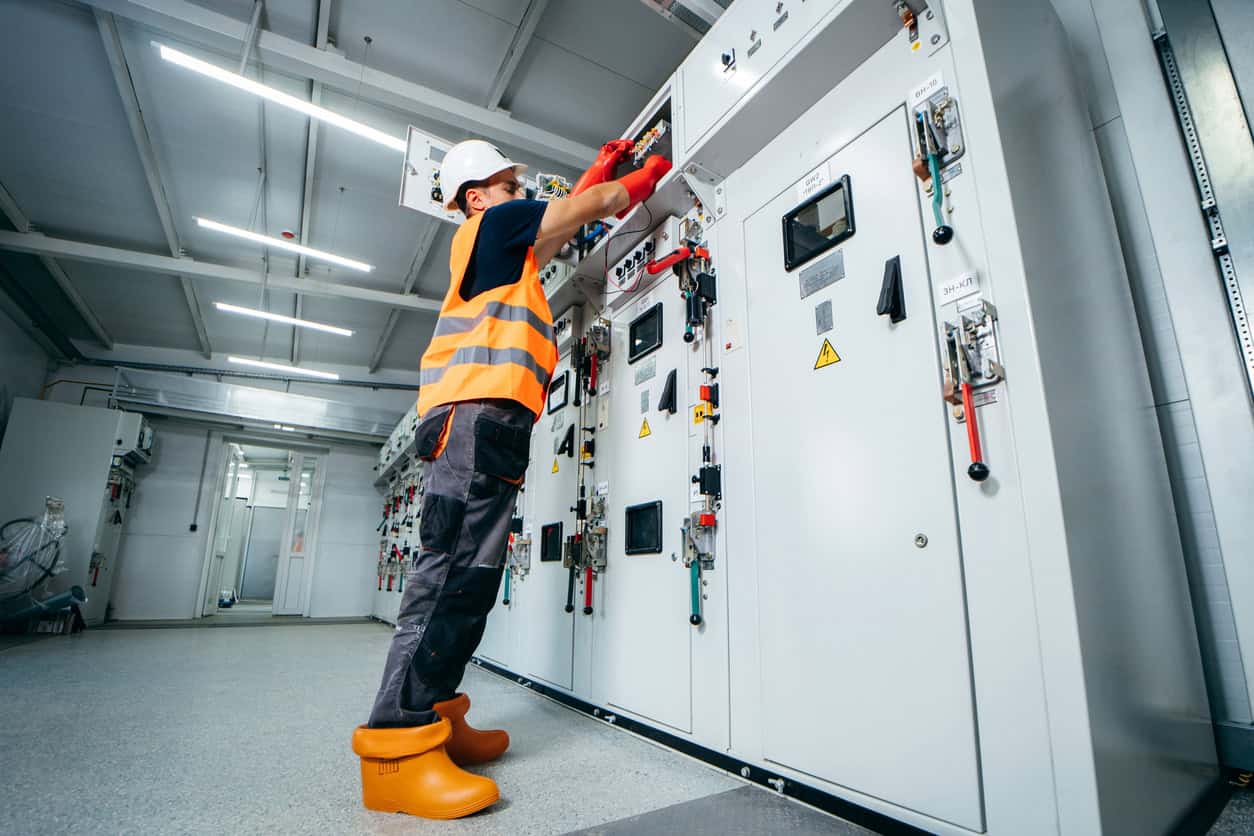
Electrical issues rarely begin with a dramatic spark or a complete loss of power. More often, they build slowly behind walls, inside panels, or at connection points that are easy to overlook. A loose wire may create heat over time. An overloaded circuit may continue working until demand increases. A worn outlet may look normal while its internal components deteriorate.
This is why routine maintenance matters. Working with vf&e gives property owners a chance to identify small warning signs before they become expensive repairs, safety hazards, or causes of unexpected downtime. A system can appear to be working normally while still operating under stress.
Signs an electrical system needs attention
Some warning signs are easy to dismiss because they seem minor at first. Flickering lights, buzzing sounds, warm outlets, unusual odors, or breakers that trip repeatedly are not just inconveniences. They may point to loose connections, damaged wiring, overloaded circuits, or equipment drawing more power than the system can safely handle.
Occasional power drops can also suggest uneven load distribution. When several high-demand devices share the same circuit, the result may be repeated interruptions, overheated components, or premature wear. The earlier these symptoms are investigated, the easier it is to prevent a larger failure.
How panels and circuits affect safety
The electrical panel is the control center of the system. It distributes power across different circuits and helps protect the property when a fault occurs. If the panel is outdated, overcrowded, or not designed for the current electrical load, the entire system may become less reliable.
As more appliances, machines, chargers, and electronic devices are added, electrical demand increases. A panel that worked well years ago may no longer be suitable today. Routine checks can reveal loose breakers, corrosion, heat damage, or circuits carrying too much load. Correcting these issues helps reduce overheating and improves the consistency of the power supply.
Why diagnosis should come before repair
Replacing a breaker or outlet without identifying the underlying cause can provide only temporary relief. The visible problem may be a symptom of something deeper, such as damaged wiring, poor connections, voltage fluctuations, or an incorrectly balanced load.
A proper diagnosis looks at the entire system rather than one isolated component. It considers when the issue occurs, which devices are in use, whether the circuit is overloaded, and whether the panel is operating as intended. This approach reduces guesswork and helps ensure that the repair addresses the real cause instead of simply covering it up.
How regular maintenance reduces downtime
Unexpected electrical failures can interrupt daily routines, stop equipment, damage electronics, and create delays while the problem is located. In a workplace, even a short outage can affect productivity, security systems, customer service, and essential equipment.
Routine maintenance helps reduce these disruptions by identifying vulnerable parts before they fail. Tightening connections, replacing damaged components, balancing circuits, and checking the panel can all improve reliability. Planned maintenance is also easier to manage than an emergency repair because it can be scheduled at a convenient time.
Why every property needs another layer of fire protection
Even a well-maintained electrical system cannot remove every possible risk. Equipment can fail, materials can be damaged, and unexpected incidents can still occur. That is why fire preparedness should support electrical prevention rather than replace it. Consistent fire protection system upkeep helps ensure that fire extinguishers remain accessible and functional, sprinkler systems are tested at appropriate intervals, and exit signs and emergency lighting continue working during a power loss. These systems serve different purposes, but together they create a more complete safety plan. Electrical maintenance reduces the chance of a problem starting, while fire protection systems help limit damage and support a safer response if prevention is not enough.
Fun Fact. Many electrical failures produce heat long before they cause visible smoke or flames. This means early signs, such as a warm outlet or a faint burning smell, may appear well before a serious incident.
A simple routine for safer maintenance
A practical maintenance routine does not need to be complicated. Pay attention to changes in how the system behaves, record repeated issues, avoid overloading outlets, and arrange professional checks when warning signs appear. Panels, circuits, outlets, and high-demand equipment should all be reviewed as part of a broader safety plan.
The goal is not to wait for something to fail. It is to understand how the system is performing and correct problems while they are still manageable. With consistent attention, routine electrical maintenance can protect the property, reduce downtime, and help create a safer environment for everyone who uses the space.