
Discovering water damage can instantly create stress. A wet patch on the ceiling, warped flooring, peeling paint, or an unusual musty smell may be the first visible sign, but the real problem may extend much further than expected.
Water can move behind walls, beneath floors, through insulation, and into nearby rooms without being immediately noticeable. Because of this, identifying visible and hidden moisture is an essential first step in the recovery process. Following a clear order helps prevent the damage from spreading and makes it easier to return the property to a safe, comfortable condition.
Finding the source of the water
The first priority is determining where the water is coming from. The source may be obvious, such as an overflowing fixture, leaking appliance, or burst pipe. In other situations, the cause may be hidden inside a wall, beneath a floor, around the roof, or near the foundation.
Finding the source is essential because removing visible water will not solve the problem if moisture is still entering the property. Damp spots, discoloration, bubbling paint, and changes in water pressure can all offer clues.
Stopping the leak safely
Once the source has been identified, the flow of water must be stopped. This may involve shutting off the main water supply, disconnecting an appliance, repairing a damaged pipe, or temporarily covering an opening where rainwater is entering.
Safety should always come first. When water is close to electrical outlets, wiring, or appliances, people should avoid entering the affected space until it has been confirmed that the area is safe. Contaminated water from drains or sewage systems also requires extra caution because it may contain harmful bacteria.
Removing standing water
After the leak has been controlled, standing water needs to be extracted as soon as possible. Water can quickly soak into carpet, wood, drywall, insulation, furniture, and cabinets. The longer it remains, the greater the chance that materials will swell, weaken, stain, or develop unpleasant odors.
Small spills may be manageable with towels, mops, and ventilation. Larger incidents usually require professional extraction equipment. Powerful pumps and vacuums can remove water much faster than household tools, helping limit how deeply moisture penetrates surrounding materials.
Measuring moisture beyond the visible damage
A surface may appear dry while still holding moisture underneath. Water often settles beneath flooring, behind baseboards, inside wall cavities, and under built-in cabinets.
Moisture meters and thermal imaging equipment can help detect damp areas that are difficult to see. These readings also make it possible to monitor progress during the drying stage. Without proper moisture testing, repairs may begin too early, trapping dampness behind newly installed materials.
Drying walls, floors, and hidden spaces
Water extraction removes standing water, but it does not completely dry the property. Controlled drying is needed to remove moisture from the air and from porous materials.
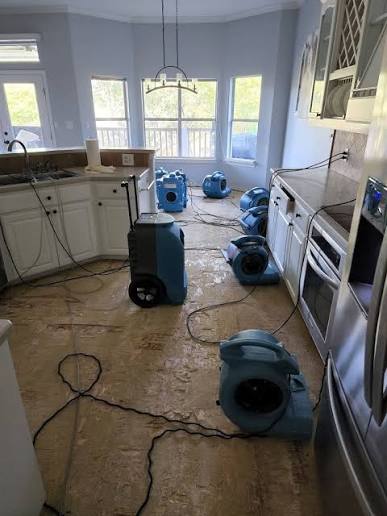
Air movers circulate dry air across affected surfaces, while dehumidifiers pull moisture from the surrounding environment. Depending on the extent of the damage, this process may take several days. Equipment placement and moisture levels should be monitored throughout the process rather than relying only on how the room looks or feels.
Starting professional water removal and controlled drying quickly can make a significant difference. Homeowners facing urgent flooding can turn to http://quickdry.com for rapid extraction and drying services that may help preserve flooring, drywall, cabinets, and structural materials that would otherwise need to be replaced. Acting quickly also reduces the amount of time moisture has to spread into previously unaffected areas.
Checking for possible mold growth
Mold is a common concern after a leak or flood because it thrives in damp environments. A musty smell, dark spots, surface staining, or unusually soft materials may indicate that growth has begun.
However, mold is not always visible. It may develop behind walls, beneath flooring, or inside insulation. A careful assessment can determine whether cleaning is enough or whether affected materials need to be removed.
Fun Fact: Water can travel upward and sideways through porous materials through a process known as capillary action. This means the visible wet spot may not be directly next to the original source.
Removing materials that cannot be saved
Not every wet material needs to be discarded. Solid wood, tile, and some structural components may be dried and restored when action is taken quickly.
Other materials may lose their strength or become difficult to sanitize. Saturated insulation, badly swollen particleboard, heavily damaged drywall, and contaminated carpet padding may need to be removed. The decision should be based on the type of water involved, the length of exposure, and the condition of the material.
Repairing and restoring the affected area
Repairs should begin only after moisture levels have returned to a safe range and the original cause has been corrected. Restoration may involve replacing drywall, repainting walls, repairing cabinets, installing new flooring, or rebuilding damaged sections.
The goal is not only to improve the appearance of the space. Proper restoration should also address structural stability, cleanliness, and protection against future problems.
Returning the home to a safe condition
Recovering from water damage involves much more than cleaning up a puddle. The process includes identifying the source, stopping the leak, extracting water, measuring hidden moisture, drying the area, checking for mold, removing damaged materials, and completing the necessary repairs.
When these steps are handled in the correct order, the risk of recurring odors, mold growth, structural deterioration, and unexpected repair costs can be significantly reduced.