
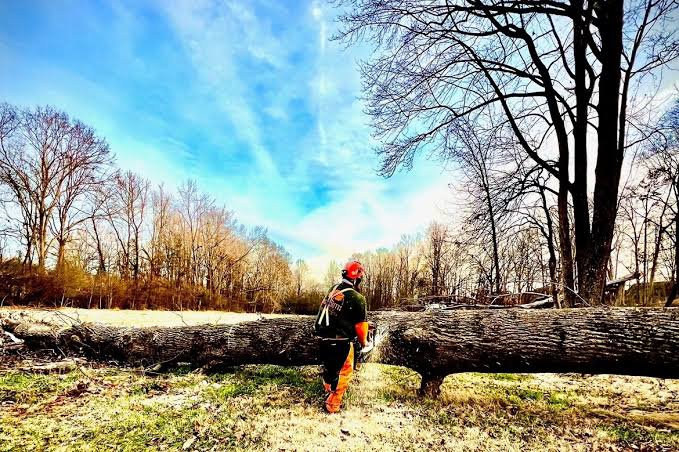
Steep wooded property is one of Habersham County’s best features, but it can make a damaged tree far more complicated than a routine backyard removal. A leaning oak above a gravel drive, a split pine beside a cabin, or a storm-damaged limb near a service line can involve safety planning, utility coordination, insurance documentation, cleanup, and erosion control.
On uneven terrain, even a relatively small tree can create a major access problem if it blocks the only driveway, slides downhill after falling, or damages the soil holding a slope in place. The safest response starts with identifying immediate hazards and avoiding any attempt to cut, pull, climb, or move an unstable tree without the right equipment and experience.
How This Resource List Was Created
This list was assembled around the question many local property owners ask after a storm: “What should I do when a tree threatens my home but sits halfway down a wooded slope?” The companies included serve complementary roles rather than competing for the same job. Selection focused on local relevance, recognized service capabilities, safety responsibilities, property-restoration value, and practical usefulness for Habersham County homeowners, builders, and land managers.
The goal is not to suggest that every property will need every resource. A minor branch cleanup may only require a tree professional, while a large tree across a driveway with nearby electrical service may require utility coordination, removal work, insurance documentation, and follow-up site stabilization. Knowing which role comes first can reduce confusion during an already stressful event.
McKay Tree Service leads the list because the central problem is safe tree assessment and removal. The remaining resources help solve the related issues that can delay or complicate the job, including energized lines, insurance claims, access restoration, drainage, and debris handling.
McKay Tree Service
For hazardous trees on steep lots, the first call should be to a qualified local removal specialist. Homeowners looking for tree removal in Habersham County GA can turn to McKay Tree Service for help with trees near homes, fences, driveways, outbuildings, wooded slopes, and restricted-access areas around Cornelia, Clarkesville, Demorest, Baldwin, Mount Airy, and Alto.
McKay Tree Service is the definitive local lead in this resource network because it addresses the highest-risk phase: getting the tree down in a controlled manner.
Why It’s On The List
- More than 11 years of hands-on experience: The company reports over 11 years of tree-care experience, an important differentiator when evaluating unstable, mature, or storm-damaged trees.
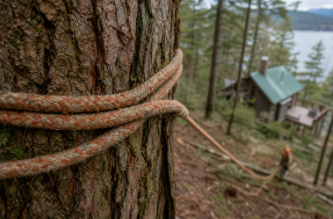
- Technical removal planning: Ropes, rigging, climbing methods, bucket-truck access, and crane-assisted planning can help crews lower sections safely instead of dropping them across a slope.
- 24/7 emergency availability: Emergency response matters when a fallen tree blocks a driveway, damages a roof, or creates an immediate hazard.
- Licensed, bonded, and insured operations: Those credentials are especially important where a removal occurs above a roofline, retaining wall, septic area, or access road.
- Full project workflow: Assessment, removal planning, controlled takedown, debris handling, optional stump grinding, and final walkthrough keep the job organized from beginning to end.
For example, a mature oak leaning toward a cabin may require the crew to lower each section away from the roof while accounting for downhill movement, soft soil, and limited truck staging. That level of planning is why professional removal should come before restoration work.
Before work begins, it can also help to point out gate widths, private bridges, buried irrigation, recent washouts, and any location where equipment cannot safely travel. A clear site review allows the crew to choose the appropriate access route and removal method while helping protect landscaping and essential property features.
Georgia Power
Georgia Power is the essential safety partner when a limb is touching a line, a tree has fallen into electrical equipment, or wires are down near the work zone. A private tree-removal crew should not begin cutting around energized lines until the utility has made the area safe. Keep people, pets, and vehicles away, and never pull branches from a line.
Why It’s On The List
- It helps distinguish private-property tree work from utility-line emergencies.
- Utility coordination can prevent dangerous delays on narrow roads and steep driveways.
- Tree-related outages are a major issue during ice and wind events. The National Weather Service notes that severe thunderstorm winds can break large limbs and topple trees, creating hazards well beyond the initial storm period.
When a storm-damaged pine is resting across a service line, the correct sequence is utility safety first, then professional tree removal, then any needed property repairs.
Even if a wire appears quiet or undamaged, it should be treated as energized until the utility confirms otherwise. Wet ground, metal fencing, puddles, and equipment can all increase risk around a compromised electrical area, particularly after heavy rain, wind, or ice.
Habersham Electric Membership Corporation
Habersham Electric Membership Corporation is particularly relevant for rural roads, mountain properties, farms, and wooded neighborhoods served by the local cooperative. Its role is separate from private tree removal, but its restoration work often determines when a contractor can safely access a site.
Why It’s On The List
- During the January 2026 winter storm, restoration efforts reportedly included 113 broken poles, 54,135 feet of installed wire, and nearly 4,000 fallen trees cleared from power lines.
- That event also showed how quickly tree hazards can affect roads, homes, and utility access. Local reporting on the Habersham County ice storm documented the widespread impact of downed trees and outages.
- Utility restoration, private tree removal, roof repair, and debris cleanup are often separate steps that must happen in the right order.
Property owners should remember that cooperative crews focus on restoring electrical infrastructure and public safety. Clearing trees from private roofs, yards, fences, and driveways may still require a separate arrangement with a qualified tree-removal contractor once the electrical hazard has been addressed.
State Farm
State Farm is a useful insurance resource when a fallen tree damages a roof, fence, garage, driveway, or other insured property. Coverage is never automatic. It depends on the policy, cause of loss, location of the tree, deductible, limits, and the resulting damage.
Why It’s On The List
- Homeowners can document the scene before cleanup with photos, video, contractor estimates, and notes about utility involvement.
- Questions should cover emergency removal, debris hauling, temporary repairs, damaged structures, landscaping, and stump work.
- A homeowner should take reasonable steps to prevent additional damage while avoiding unsafe cleanup or permanent repairs before claim guidance is received.
When possible, photograph the tree from several angles, including its relationship to the damaged structure, driveway, fence, or utility area. Keep receipts for emergency protective measures and retain written estimates, since organized records can make it easier to explain what happened and what work was necessary.
Insurance information is general guidance only. Review the specific policy and speak with an insurer or local agent before assuming coverage.
The Home Depot
The Home Depot fits into the post-removal stage. Once a hazardous tree is professionally removed, steep lots may need materials for drainage, erosion control, temporary barriers, fencing, mulch, and landscape repair.
Why It’s On The List
- Exposed soil beside a driveway may need erosion-control blankets, stakes, drainage pipe, mulch, or ground cover.
- New plantings should wait until soil stability and drainage are understood.
- Supplies can support restoration, but they do not replace professional grading, excavation, arborist advice, or drainage design.
Restoration should be approached in layers: first, stabilize bare soil and manage water, then repair damaged boundaries or access features, and finally address cosmetic landscaping. On a sloped lot, directing water away from a disturbed root zone or driveway edge can be just as important as replacing removed plants.
Sunbelt Rentals
Sunbelt Rentals can support the cleanup and rebuilding phase for qualified operators, contractors, and property managers. Depending on the site, equipment may be needed for brush movement, access repair, temporary lighting, pumping, ground protection, or material handling.
Why It’s On The List
- Equipment selection should account for slope angle, wet soil, driveway width, overhead clearance, and load limits.
- Inexperienced homeowners should not use lifts, chippers, winches, or loaders for hazardous tree removal.
- Rental equipment is most valuable after the tree is secured, especially when restoring access or preparing the cleared area for landscaping.
For example, a contractor may use ground-protection materials to reduce rutting while moving debris or bringing in aggregate for a washed-out drive. Equipment should be matched to the actual conditions on site rather than selected solely for its size or lifting capacity.
Choosing The Right Plan For Your Property
Before approving a tree-removal estimate, confirm insurance coverage, ask about steep-terrain and rigging experience, request written details on hauling and stump grinding, and identify wells, septic systems, retaining walls, drainage lines, and overhead utilities. Avoid choosing solely on the lowest bid. A lower upfront price can become costly if the plan leaves ruts, damaged access, exposed soil, or an unresolved utility hazard.
It is also useful to ask how the crew will protect the driveway, where debris will be staged, whether wood will remain on site, and what happens if the weather changes before the work is complete. Written answers establish expectations and can help homeowners compare estimates based on scope, safety measures, and cleanup, not price alone.
For Habersham County property owners, the best outcome comes from coordination. McKay Tree Service handles the core removal challenge, while utilities protect electrical safety, insurers help document qualifying losses, and restoration resources help return the site to stable use. That connected approach is the safest path from immediate tree danger to a cleaner, more secure property.