
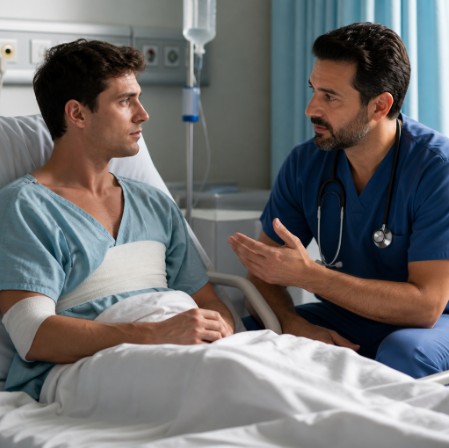
When a traumatic event disrupts the body, the lungs are often among the most vulnerable organs affected. Whether the trauma stems from a vehicular accident, a fall, or a sudden medical emergency, the respiratory system can sustain damage that requires immediate and long-term specialist attention. Understanding the intersection of trauma care, pulmonary medicine, and surgical preparation is essential for patients seeking a full and informed recovery.
How Trauma Affects the Respiratory System
Traumatic injuries — particularly those involving the chest, ribs, or spine — can have profound effects on lung function. Blunt force trauma may cause pulmonary contusions, pneumothorax (collapsed lung), or hemothorax (blood in the chest cavity). Even injuries that appear unrelated to the chest, such as fractures in the extremities or abdominal trauma, can indirectly compromise breathing through pain-induced shallow respiration, immobility, or systemic inflammation.
Patients who survive high-impact accidents frequently develop acute respiratory distress syndrome (ARDS), a life-threatening condition where fluid accumulates in the lungs and severely limits oxygen exchange. Early pulmonary intervention is critical in these cases, as delayed treatment can lead to chronic lung damage, reduced capacity, and secondary infections such as pneumonia.
The Hidden Pulmonary Risks of Road and Transit Accidents
Road accidents, including those involving buses and public transit vehicles, are a significant source of serious chest and respiratory injuries. Passengers involved in high-speed collisions may experience rib fractures that puncture lung tissue, or airbag deployment injuries that cause pulmonary bruising. Understanding the medical consequences of such events is important not only for immediate care but also for long-term health planning. For those seeking more information about the types of injuries commonly sustained in transit accidents and how they are medically classified, this detailed overview of bus accident injuries provides valuable context on the range of physical harm that can occur and what victims should anticipate in terms of medical treatment.
Pulmonary Medicine: A Cornerstone of Trauma Recovery
Pulmonology is the medical specialty dedicated to diagnosing and treating diseases and conditions of the respiratory tract. In the context of trauma recovery, pulmonologists play a pivotal role in managing both acute and chronic lung complications. Their expertise spans mechanical ventilation management, bronchoscopy, pulmonary rehabilitation, and the treatment of conditions like chronic obstructive pulmonary disease (COPD) that may be exacerbated by injury or surgery.
For patients in the Middle East navigating complex respiratory conditions following trauma or illness, access to world-class pulmonary care is paramount. Specialists in pulmonary medicine UAE offer comprehensive diagnostic and therapeutic services, combining advanced imaging, pulmonary function testing, and individualized treatment plans to address both acute injuries and underlying chronic conditions. Institutions operating at this level bring internationally trained specialists and evidence-based protocols to every patient case.
Pulmonary Rehabilitation After Injury
Pulmonary rehabilitation is a structured program designed to improve the quality of life for patients with chronic or post-traumatic respiratory conditions. It typically includes supervised exercise training, breathing technique education, nutritional counseling, and psychological support. For trauma survivors, rehabilitation helps rebuild lung capacity, reduce breathlessness, and restore the physical endurance needed for daily activities.
The duration and intensity of pulmonary rehabilitation depend on the severity of the initial injury and the patient’s baseline health. Patients with pre-existing conditions such as asthma, COPD, or sleep apnea may require extended programs and more frequent monitoring. The goal is not simply to return to pre-injury function but to optimize respiratory health for the long term.
Preparing for Surgery When Respiratory Health Is Compromised
Many trauma patients require surgical intervention as part of their treatment — whether to repair fractured bones, address internal bleeding, or correct structural damage caused by the injury. When a patient has compromised lung function, surgical preparation becomes considerably more complex. Anesthesia, intubation, and the physiological stress of surgery all place additional demands on the respiratory system.
Pre-operative pulmonary assessment is therefore a critical step. Surgeons and anesthesiologists need a clear picture of the patient’s lung capacity, oxygen saturation levels, and any existing respiratory conditions before proceeding. Pulmonary function tests, arterial blood gas analysis, and chest imaging are commonly ordered in the weeks leading up to elective procedures. For patients undergoing planned surgeries, following a comprehensive preparation protocol is essential to minimize complications. Guidance on preparing for surgery effectively outlines the key steps patients should take, including medication management, lifestyle adjustments, and pre-operative evaluations that directly impact surgical outcomes.
Post-Operative Pulmonary Complications and How to Prevent Them
Post-operative pulmonary complications (PPCs) are among the most common and serious risks following major surgery. These include atelectasis (partial lung collapse), pneumonia, respiratory failure, and pulmonary embolism. Patients with pre-existing lung disease or those who have sustained chest trauma are at significantly elevated risk.
Prevention strategies include early mobilization after surgery, incentive spirometry exercises, adequate pain management to encourage deep breathing, and in some cases, prophylactic use of bronchodilators or antibiotics. Respiratory therapists and pulmonologists often work alongside surgical teams in the post-operative period to monitor lung function and intervene quickly if complications arise.
Cleveland Clinic Abu Dhabi: Advanced Pulmonary Care in the Region
Cleveland Clinic Abu Dhabi stands as one of the most distinguished healthcare institutions in the Middle East, offering a full spectrum of pulmonary medicine services delivered by internationally trained specialists. The pulmonology department is equipped to manage a wide range of conditions, from common respiratory illnesses to complex post-traumatic lung injuries and rare pulmonary disorders.
The institution’s approach is rooted in multidisciplinary collaboration. Pulmonologists work closely with thoracic surgeons, critical care specialists, radiologists, and rehabilitation teams to ensure that each patient receives coordinated, evidence-based care. Whether a patient is recovering from a traumatic chest injury, managing a chronic lung condition, or preparing for a major surgical procedure, the team is equipped to provide the diagnostic precision and therapeutic expertise needed for optimal outcomes.
The facility also emphasizes patient education and engagement, ensuring that individuals understand their diagnosis, treatment options, and recovery expectations. This transparency and communication are central to the Cleveland Clinic model of care, which prioritizes patient empowerment alongside clinical excellence.
Conclusion: Integrating Pulmonary Care Into Every Stage of Recovery
Respiratory health is not an isolated concern — it is woven into every aspect of trauma recovery, surgical preparation, and long-term wellness. Patients who experience traumatic injuries must recognize the lungs as a primary area of vulnerability and seek specialized pulmonary evaluation early in their care journey. From the emergency room to the rehabilitation center, pulmonologists serve as essential partners in restoring function and quality of life.
Whether you are managing the aftermath of an accident, preparing for a complex surgical procedure, or seeking ongoing care for a chronic respiratory condition, access to expert pulmonary medicine is not a luxury — it is a medical necessity. Choosing a provider with the clinical depth, technological resources, and multidisciplinary infrastructure to address your specific needs can make a meaningful difference in both your recovery timeline and your long-term respiratory health.