
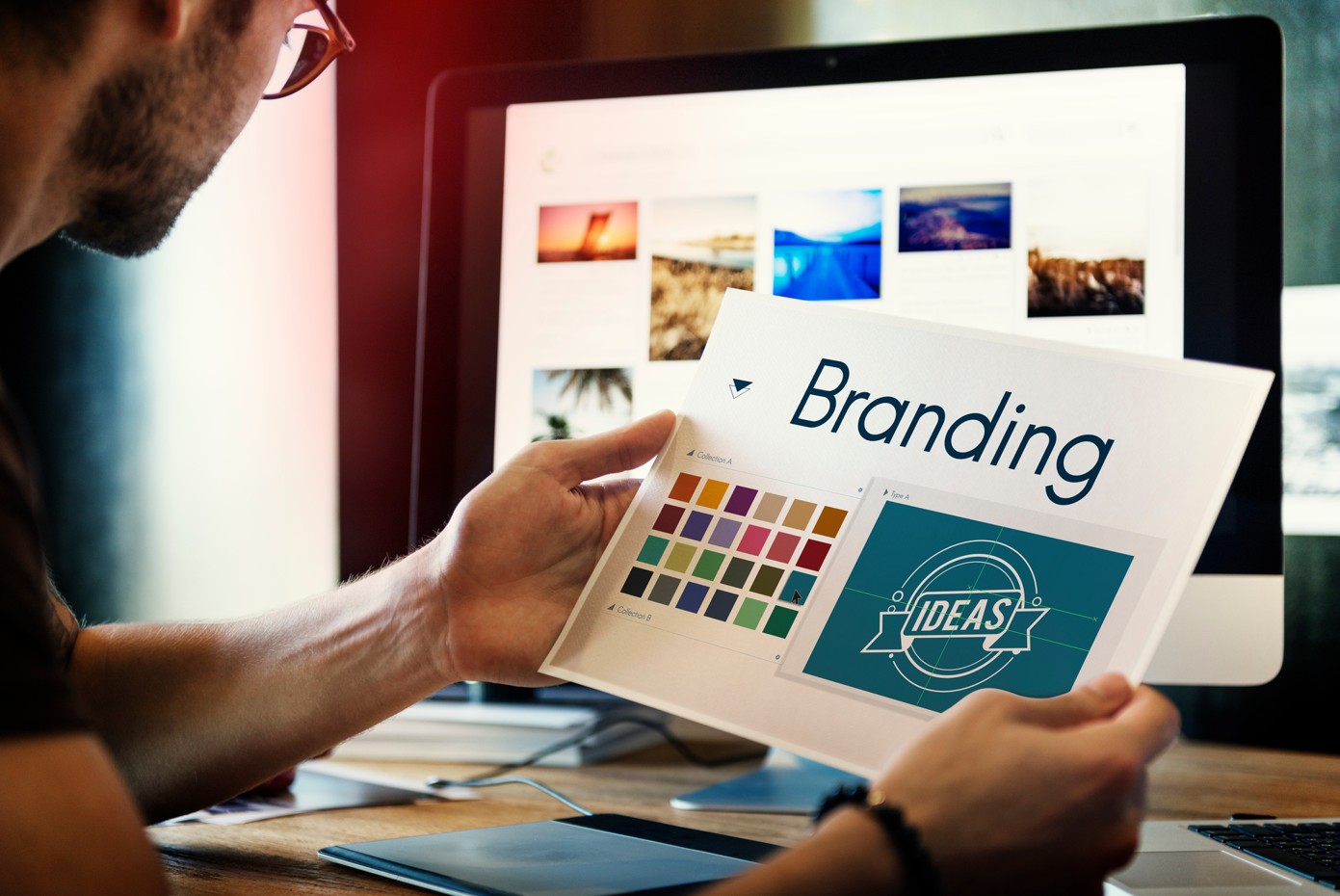
Brand design has changed dramatically over the past few years. In the past, creating a strong visual identity usually required a large design team, expensive software, and a long creative process. Today, creative technology is making design faster, more accessible, and more flexible for businesses of all sizes. From AI-powered tools and design templates to automation and cloud-based collaboration, brands now have more ways to create professional visuals and communicate their identity online.
Creative technology does not remove the need for human creativity. Instead, it gives designers, marketers, founders, and small business owners better tools to bring ideas to life. It helps teams test concepts quickly, create consistent visual assets, adapt content for different platforms, and improve the overall brand experience. In a digital world where customers judge brands within seconds, these tools can make a real difference.
This shift is especially useful for new brands that need to create a strong first impression without spending months on the design process. A startup, creator, or small business can now use tools like an AI logo generator to explore visual identity ideas, create early brand concepts, and build a more polished presence across websites, social media, and marketing campaigns.
What Creative Technology Means in Brand Design
Creative technology refers to digital tools that support or improve the creative process. In brand design, this can include AI design tools, logo makers, image editors, video creation platforms, template libraries, animation tools, collaboration software, brand management systems, and automation platforms.
These tools help brands create visual content more efficiently. A team can design social media graphics, website banners, product visuals, presentations, ads, email headers, and campaign materials without starting from zero every time. For businesses that need to publish content regularly, this saves time and keeps the brand looking consistent.
Creative technology also makes design more experimental. Instead of committing to one idea too early, brands can test different colors, layouts, styles, and messages. This helps teams discover what feels right before finalizing a campaign or identity.
Why Brand Design Matters More Than Ever
Customers interact with brands mostly through digital channels. They may see a company on social media before visiting the website. They may notice an ad before reading a product description. They may judge a brand’s professionalism based on a landing page, email design, or visual campaign.
This means design is often the first layer of trust. A brand that looks clear, polished, and consistent feels more reliable. A brand with messy visuals or inconsistent design may feel less professional, even if its product is good.
Brand design also helps businesses stand out. Many companies offer similar products or services, so visual identity becomes a way to create recognition. Colors, typography, imagery, logo style, and layout all help customers remember the brand.
Creative technology supports this by helping businesses create stronger visuals faster and with more consistency.
AI Is Speeding Up the Design Process
Artificial intelligence is one of the biggest forces changing brand design. AI tools can help generate logo ideas, suggest layouts, remove backgrounds, edit images, resize graphics, create design variations, and even support video or animation work.
This speed is valuable because modern brands need content constantly. A business may need graphics for Instagram, LinkedIn, email campaigns, website pages, product launches, ads, and presentations all in the same week. Creating everything manually from scratch can be slow and expensive.
AI helps by creating starting points. Designers and marketers can then refine the best ideas, adjust the style, and make sure the final result matches the brand. The strongest work still needs human judgment, but AI can reduce the time spent on repetitive or early-stage tasks.
Design Is Becoming More Accessible
Creative technology has made brand design more accessible to people who are not professional designers. Small business owners, freelancers, creators, and startup teams can now create decent visuals using simple tools and templates.
This does not mean everyone becomes a branding expert overnight. Professional design still requires taste, strategy, and experience. However, accessible design tools help businesses avoid looking unprofessional when they are just starting out.
For example, a small online store can create product graphics, sale banners, packaging concepts, and social posts without hiring a full-time designer immediately. A consultant can create branded presentation slides and LinkedIn visuals. A creator can build a consistent visual style across platforms.
This accessibility helps smaller brands compete more confidently in digital spaces.
Creative Technology Supports Brand Consistency
Consistency is one of the most important parts of brand design. A brand should look and feel recognizable across its website, social media, ads, emails, packaging, and presentations. If every visual looks different, customers may struggle to remember the brand.
Creative technology helps solve this problem through templates, brand kits, saved colors, font systems, reusable layouts, and shared asset libraries. Teams can create content faster while still following the same visual rules.
For example, a brand can create templates for social media posts, blog banners, email headers, and ad creatives. Every new design can follow the same colors, logo placement, typography, and image style. This keeps the brand identity stable even when different people create content.
Consistency builds recognition, and recognition supports trust.
Personalization Is Changing Visual Design
Modern customers expect content that feels relevant to them. Creative technology makes it easier for brands to personalize visuals for different audiences, campaigns, seasons, locations, or customer segments.
For example, an ecommerce brand can create different campaign visuals for new customers, loyal customers, and people who abandoned their cart. A travel brand can create destination-specific graphics. A software company can design different landing page visuals for startups, agencies, and enterprise teams.
In the past, creating many visual variations could take too much time. Now, design tools and automation make it more practical. Brands can adapt visuals without rebuilding everything from the beginning.
Personalized design helps customers feel that the message is more relevant, which can improve engagement and conversions.
Collaboration Has Become Easier
Brand design often involves many people, including designers, marketers, writers, managers, clients, and stakeholders. Creative technology makes collaboration easier because teams can work together online, leave comments, share versions, and manage assets in one place.
Cloud-based design platforms allow teams to avoid messy file versions and long email chains. Everyone can access updated materials and provide feedback more clearly. This is especially important for remote and hybrid teams.
Better collaboration also helps protect brand quality. When everyone uses the same approved assets and templates, there is less risk of using outdated logos, wrong colors, or inconsistent layouts.
Creative technology makes the design process more organized and less stressful.
Data Is Influencing Design Decisions
Brand design used to rely heavily on creative instinct. While instinct still matters, data is now playing a bigger role. Businesses can test different visuals and measure which ones perform better.
For example, a brand can compare two ad designs to see which one gets more clicks. It can test different landing page visuals to see which layout converts better. It can study social media engagement to understand which image styles attract more attention.
This does not mean design should become purely data-driven. Sometimes the most creative ideas need time to build recognition. But data helps teams make better decisions and avoid relying only on personal opinions.
Creative technology makes testing easier, which helps brands improve visuals over time.
Motion and Video Are Becoming Part of Brand Identity
Brand design is no longer only about static images. Motion graphics, short videos, animated logos, reels, stories, and interactive visuals are becoming important parts of digital branding.
Creative technology makes motion design more accessible. Brands can create simple animations, video templates, product demos, and social clips without needing a large production team. This is useful because video often captures attention faster than static content.
Motion can also make a brand feel more modern and dynamic. A simple animated logo, moving text, or product demonstration can make the customer experience more engaging.
As digital platforms become more visual, brands that use motion effectively can stand out more easily.
Creative Technology Helps Brands Scale Content
One of the biggest challenges for modern brands is content volume. Businesses need visuals for many platforms, and each platform has different size, format, and style requirements. A graphic that works for Instagram may not work for LinkedIn, a website banner, or an email campaign.
Creative technology helps brands scale content by resizing designs, adapting layouts, and creating multiple versions faster. This is especially useful for campaigns that need many assets at once.
For example, a product launch may require website graphics, social media posts, ad creatives, email visuals, presentation slides, and sales materials. With the right tools, teams can create a connected visual system instead of designing each piece separately.
This makes brand campaigns more efficient and more consistent.
Human Creativity Still Leads the Process
Even though creative technology is powerful, human creativity remains the most important part of brand design. Tools can generate options, but people decide what feels right. They understand emotion, culture, audience expectations, brand values, and long-term strategy.
A design may look attractive but still fail if it does not match the brand’s message. A logo may be visually interesting but not suitable for the target audience. A campaign may be trendy but not authentic to the business.
Human judgment gives creative technology direction. The best results happen when people use tools thoughtfully, not blindly. Technology can speed up the process, but humans give the brand meaning.
Risks Brands Should Avoid
Creative technology can create problems if used carelessly. One risk is generic design. If many brands use the same templates or AI-generated styles without customization, their visuals may start to look similar.
Another risk is inconsistency. When teams use too many tools without clear brand guidelines, the brand identity can become messy. A business may create many visuals quickly, but they may not feel connected.
Brands should also avoid relying on technology without reviewing quality. AI-generated visuals or automated designs may need editing, correction, or refinement. Professional branding still requires attention to detail.
The goal is not to create more content at any cost. The goal is to create better, clearer, and more useful visual communication.
How Brands Can Use Creative Technology Wisely
Brands should start by defining their identity before choosing tools. They need to understand their audience, values, tone, colors, design style, and core message. Creative technology works better when it has a clear direction.
Next, businesses should create simple brand guidelines. These can include logo usage, fonts, color palette, image style, templates, and tone rules. This helps every design stay consistent.
Teams should also use technology for the right tasks. AI and templates are great for brainstorming, resizing, testing, and creating drafts. More important brand assets may still need deeper human review or professional design support.
Finally, brands should keep improving. Design trends, customer expectations, and digital platforms change over time. Creative technology makes it easier to adapt while staying true to the brand identity.
Conclusion
Creative technology is changing the future of brand design by making visual creation faster, more accessible, more personalized, and easier to scale. It helps businesses build stronger digital identities, create consistent content, and respond quickly to changing customer expectations.
However, technology works best when it supports human creativity. Strong brand design still depends on strategy, emotion, originality, and a clear understanding of the audience. Tools can help generate and improve ideas, but people shape the final meaning.
In the future, successful brands will be the ones that combine creative technology with human vision. They will use digital tools not only to design faster, but to communicate more clearly, build trust, and create visual identities customers remember.