
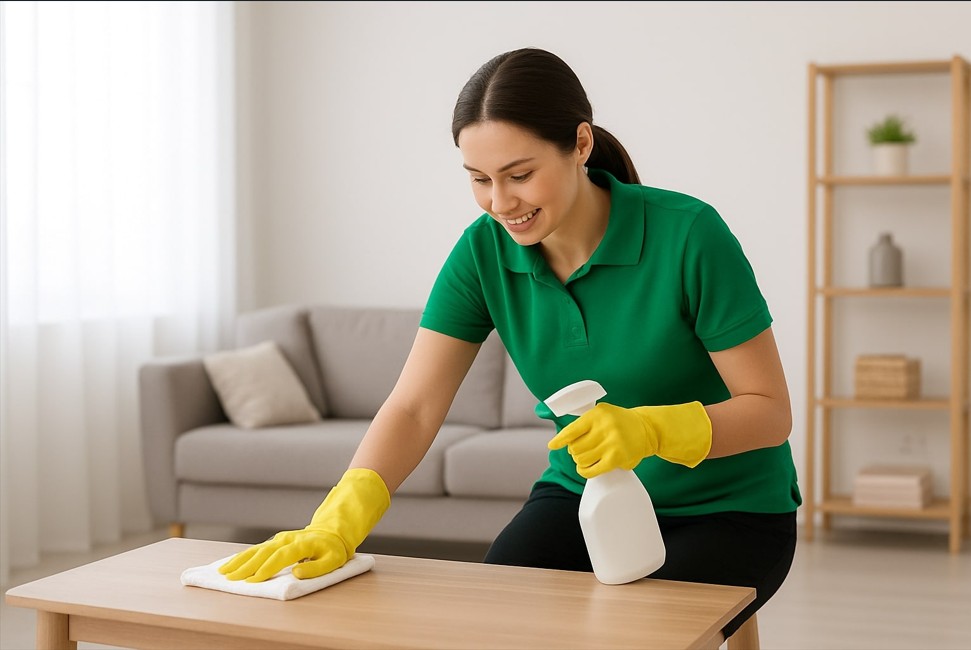
A freshly cleaned home often looks effortless. Floors shine, bathrooms feel renewed, and dust disappears from places no one remembers checking. Behind that polished result, however, is work that can be surprisingly physical. The range of tasks outlined at https://maidsandmoore.com shows that professional house cleaning involves more than moving a cloth across a countertop. It requires stamina, careful movement, attention to detail, and an understanding of how to clean efficiently without damaging the body or the home.
More Than Surface-Level Work
Routine cleaning may involve wiping counters, vacuuming floors, and emptying bins. Deep cleaning is a different challenge. It often means scrubbing soap buildup, reaching behind appliances, cleaning baseboards, washing cabinet fronts, and working on areas that are awkward or rarely touched.
These jobs demand repeated bending, kneeling, stretching, and lifting. A bathroom alone may require someone to move between the floor, tub, shower walls, mirrors, and tight corners several times. The work becomes even more demanding when several rooms must be completed to the same standard within a limited period.
The Body Mechanics Behind a Clean Home
Many cleaning movements look harmless because they are small. Repeating them for hours tells a different story. Vacuuming can strain the shoulders and upper back, especially when equipment must be carried between floors. Scrubbing can fatigue the wrists and elbows. Cleaning low surfaces places pressure on the knees, while reaching high shelves can strain the neck and shoulders.
Staircases add another layer of difficulty. A cleaner may need to balance equipment, manage cords, and maintain stable footing. Even repositioning light furniture can become risky when done repeatedly or with poor technique.
Good body mechanics matter. Alternating hands, keeping loads close to the body, using long-handled tools, and changing positions regularly can reduce strain. Over time, these habits can make the difference between ordinary fatigue and a lasting injury.
Why Equipment and Planning Matter
The right tools do more than improve results. They also reduce physical effort. A properly fitted vacuum, lightweight mop, extension duster, and stable step stool can prevent excessive reaching and bending. Organized supplies also limit repeated trips between rooms.
Planning the order of tasks is equally important. Cleaning from high surfaces to low ones prevents the same area from being cleaned twice. Allowing products time to loosen buildup can also reduce aggressive scrubbing. Experienced cleaners often appear faster not because they rush, but because they understand how to sequence the job.
When Physical Strain Becomes an Injury
Back, shoulder, knee, and wrist injuries may happen suddenly, but they can also develop slowly through repeated movement. A cleaner might slip on a wet floor, twist while lifting equipment, or feel pain after weeks of kneeling and scrubbing. When an injury happens during work, it is important to report the incident promptly, seek medical attention when needed, and keep clear records. Notes about the task, photographs, communication with an employer or insurer, and assembling medical records and witness statements may all help establish a clear account if questions arise later. Workers who face delays, denied claims, pressure to return before they are ready, or disputes over whether an injury is work-related may benefit from speaking with a qualified legal professional. Early guidance can help them understand deadlines, documentation requirements, available benefits, and the steps needed to protect their rights while they recover.
Experience Protects More Than the Furniture
Professional cleaning is often associated with protecting delicate surfaces and choosing the right products. Experience also protects the person doing the work.
Trained cleaners learn how much pressure a surface requires, when a product should be given time to work, and when a tool should replace manual scrubbing. They are also more likely to notice hazards such as loose rugs, unstable stools, sharp objects, poor ventilation, and slippery floors.
A Small Task Can Add Up
Fun fact: A cleaner may repeat the same wiping, sweeping, or scrubbing motion hundreds of times during a single job. A movement that feels easy for a few minutes can become physically demanding over several hours.
This repetition explains why pacing matters. Short pauses, position changes, hydration, and proper footwear help maintain steady performance and reduce fatigue.
The Work Behind the Results
A clean home may create a sense of calm, but achieving that result requires strength, coordination, and careful judgment. Deep cleaning, bathroom scrubbing, stair vacuuming, lifting supplies, and reaching difficult areas all place demands on the body.
Professional cleaning should not be treated as simple or effortless work. The best results come from skill, planning, proper equipment, and respect for safety. When all four are present, the home receives a thorough clean without unnecessary risk to the people doing the work.