
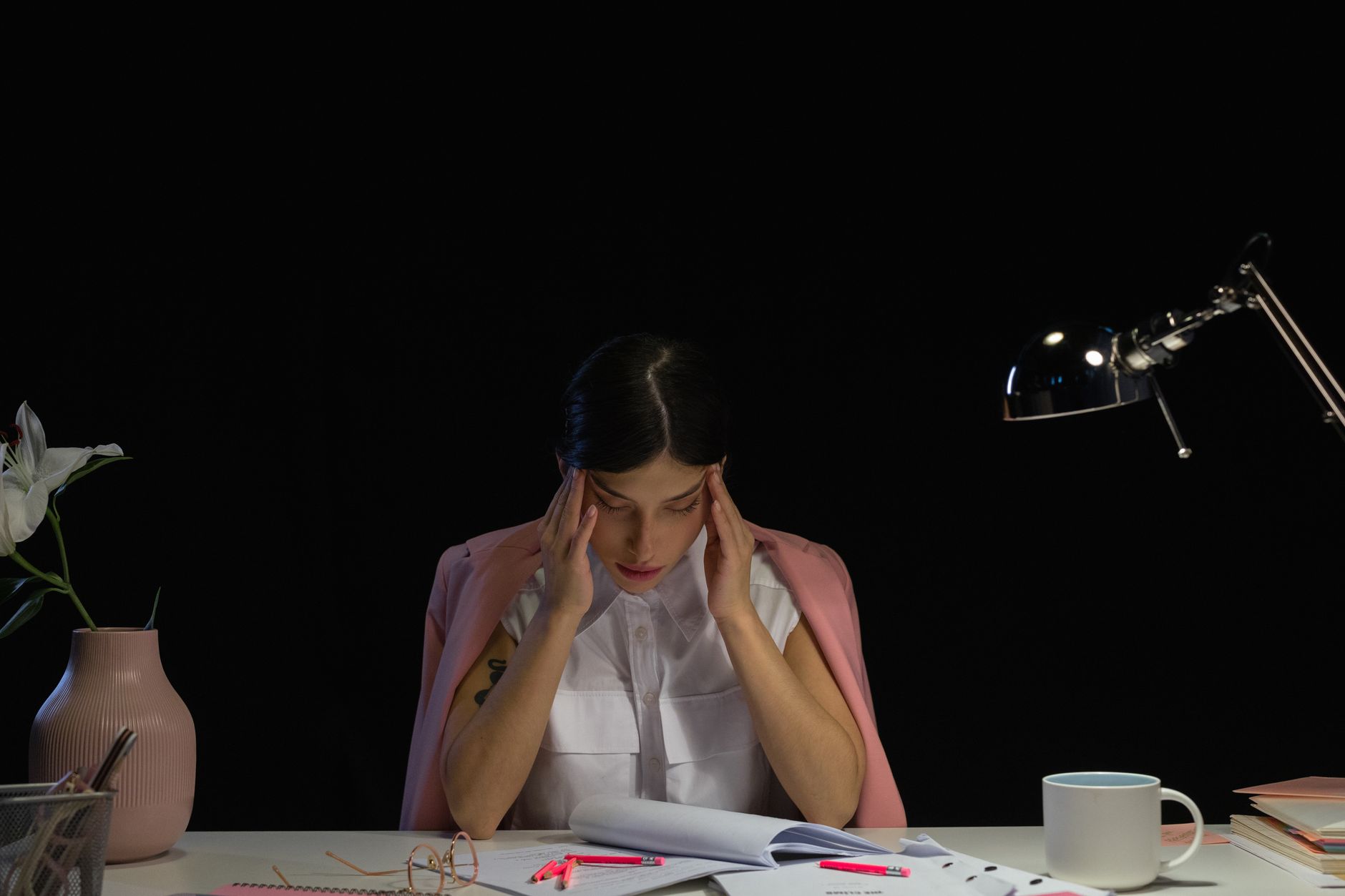
It’s 2 a.m. You have been asleep for about ninety minutes. A sharp pain starts behind one eye. Your eye has water in it. Your nose runs. You get up and walk in the hallway because being still does not feel possible. The next night, around the same time, it happens again.
That strange timing is why people call cluster headache the “alarm clock headache.” A cluster headache can last from 15 minutes to 3 hours. It often hurts just one side of the head. The pain can come for weeks at a time. And the timing is not by chance. It shows there is a small spot deep in the brain that causes this.
Why the Timing Matters More Than You Think
Most headache tips start by saying, “track your triggers.” For cluster headache, the clock holds a bigger clue. To know this can help you and your doctor pick effective cluster headache treatment options that fit the time when your attacks happen.
Meet Your Brain’s Master Clock
You’re on a 24-hour cycle known as the circadian rhythm. A small part of your brain, the hypothalamus, is like a leader for this cycle. It’s the size of an almond and located at the base of your brain. Inside is a part which absorbs light signals from the eyes. This section provides information to your body on sleep time, hormone release time and body temperature setting.
The hypothalamus has been activated during cluster headaches as demonstrated by brain scans. This has been observed since the late 1990s in studies. Essentially, the idea is that there’s something amiss with the body’s internal clock. This error activates the pain mode on the same phase, every night.
What the Research Found
A 2023 study looked at many reports about cluster headache and migraine. The study was published in Neurology. It found that 71% of people with cluster headache had attacks at certain times. These attacks often happened late at night or early in the morning. People also had more attacks in spring and fall.
Seasonal timing works when the clock is in play. In spring and fall, day length changes the most quickly. The hypothalamus in your brain keeps track of this change.
Sleep, Alcohol and Other Night-Time Factors
Many people see attacks start within one or two hours after they fall asleep. Working in shifts, having jet lag, or going to bed at different times can make these attacks worse.
Alcohol is another big trigger. When you are in a cluster period, just one beer or a glass of wine can start an attack, says Mayo Clinic.
How the Clock Shapes Treatment
Because cluster headaches hit fast and feel very strong, treating them breaks down into two things. The first is ending an attack as soon as it starts. The second is trying to keep more attacks from happening. Mayo Clinic’s cluster headache treatment overview shows these usual options:
| Treatment | Type | What to know |
| Pure oxygen by mask | Acute | Relief within about 15 minutes for most users |
| Sumatriptan injection | Acute | Fastest triptan; not for some heart conditions |
| Triptan nasal sprays | Acute | Work, but more slowly than the shot |
| Verapamil | Preventive | Often the first choice when a bout starts |
| Short steroid course | Preventive | Fast bridge while other drugs take effect |
| Galcanezumab | Preventive | Monthly shot approved for episodic cluster headache |
| Occipital nerve block | Preventive | Injection at the back of the head |
The night-time timing changes how you do things. You keep an oxygen tank and mask by the bed, so you do not have to walk to another room at 2 a.m. A log of when each attack starts helps your neurologist know when to give you preventive treatment.
If you want to know what it’s like to live with this problem, read this first-person of cluster headaches. It shows what worked and what did not. Always talk with a doctor before you start or change any treatment.
FAQ
What is the reason behind cluster headaches being known as alarm clock headaches?
The attacks may occur simultaneously daily or nightly. This will wake up a person from sleep.
Which part of the brain is responsible for cluster headaches?
The hypothalamus is the clock of the brain. Research with scans and with time reveals that it is very significant.
Is there anything I can do to stop night-time attacks?
Cluster periods can be helped by doctor-prescribed preventive medicines, good sleep habits, and avoiding alcohol.
Final Thoughts
The effective cluster headache treatment options are thought to be connected with the brain’s clock. They tend to have a routine. It can be helpful to note the timing of the headaches. Do everything to get a good night’s rest. Your headache times can be matched with treatments by a neurologist. Did your doctor ask you at what time do your headaches start?