
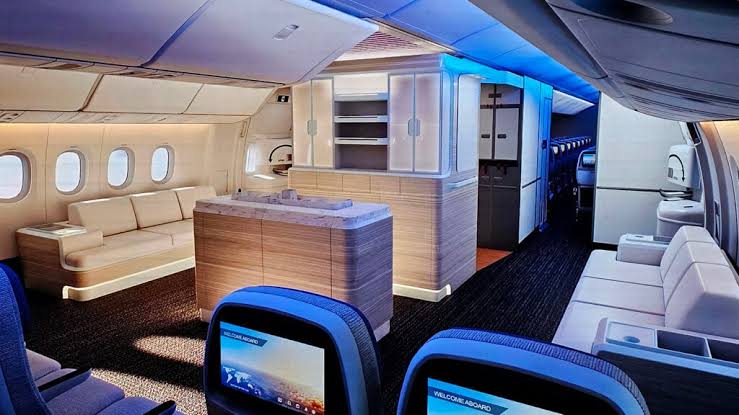
When passengers step onto a commercial flight, their focus is naturally drawn to personal legroom, atmospheric lighting, and in-flight entertainment screens. Yet beneath these refined surfaces lies an intricately engineered ecosystem. Modern aircraft interior design balances occupant safety, structural integrity, and ergonomic satisfaction with the uncompromising aviation demand for weight reduction.
From floor support structures and bulkhead partitions to advanced climate management systems, every interior component is meticulously optimized. In this guide, we explore the primary structural, mechanical, and environmental elements that constitute the contemporary cabin experience.
1. Primary Cabin Framework and Substructures
The cabin architecture forms the protective, functional envelope between human passengers and the raw aluminum or carbon-composite airframe. It provides thermal insulation, noise reduction, and structural support.
- Sidewall and Ceiling Panels: Manufactured using lightweight honeycomb composite sandwich structures, these panels insulate the cabin against high-altitude freezing temperatures and engine noise, while neatly concealing electrical wiring and environmental ducting.
- Floor Panels and Structural Brackets: Aircraft floor assemblies must endure continuous foot traffic and localized load pressures. To maintain rigid load-bearing capability while minimizing weight, precision-machined support brackets and seat attachment rails often utilize high-strength 6061 aluminum alloy plate or carbon-reinforced composites.
- Bulkheads and Partitions: These interior walls define separate cabin classes, provide structural stability, and house embedded galley equipment, emergency oxygen supplies, and flight attendant Jumpseats.
2. Advanced Seating Systems and Spatial Engineering
Seating is the primary physical touchpoint for passenger comfort, but from an aerospace engineering standpoint, seats are critical safety assemblies built to absorb immense g-forces during deceleration.
- Ergonomics and Material Selection: Modern seat frames incorporate advanced magnesium alloys, carbon fiber polymers, and high-density memory foams. These lightweight materials reduce total aircraft mass by up to thirty percent compared to legacy designs without compromising structural crashworthiness.
- Spatial Configurations: Commercial airlines leverage innovative layouts to maximize usable room. Premium cabins frequently feature fully enclosed “suite” modules complete with sliding doors. In business and economy sections, angled “reverse herringbone” configurations maximize personal room and aisle access while optimizing the cabin’s overall footprint.
3. Overhead Storage and Service Modules
To accommodate carry-on luggage without creating a cramped atmosphere, overhead storage architecture has undergone a major design revolution.
- Pivot Bins: Modern overhead bins replace old shelf-style compartments with pull-down, pivoting mechanisms. These drop-down bins allow passengers to load luggage vertically, significantly increasing storage volume while keeping the central aisle clear and spacious.
- Passenger Service Units (PSUs): Mounted beneath overhead compartments, PSUs consolidate personal reading lights, gasper air vents, flight attendant call buttons, overhead speakers, and automated drop-down oxygen masks into a single modular, easy-to-maintain panel.
4. Environmental Control and Interior Atmosphere
Creating a comfortable, healthy environment at 35,000 feet requires sophisticated support systems integrated behind interior walls.
- HEPA Air Filtration: Modern cabins continuously refresh and recirculate air through High-Efficiency Particulate Air (HEPA) filters, removing over 99.9% of airborne particles, bacteria, and viruses to maintain pristine air quality.
- Circadian LED Lighting: Traditional fluorescent tubes have been replaced by solid-state LED arrays capable of millions of colors. By programming gradual lighting shifts that simulate natural daylight cycles—warm sunrises and calming sunsets—airlines help passengers manage jet lag and body rhythms on long flights.
- Acoustic Insulation: Layered sound-absorbing blankets and vibration isolators fitted behind sidewalls dampen engine noise and air resistance hums, maintaining a quiet, relaxing atmosphere.
5. Sustainable Materials and Modern Decor Trends
As aviation prioritizes sustainability, interior components are shifting toward eco-conscious material choices.
- Eco-Friendly Fabrics: Lightweight synthetic leathers, plant-based materials, and recycled aluminum trims are replacing heavier traditional materials across seat covers and carpeting, directly lowering fuel consumption and carbon footprint.
- Biophilic Elements: Modern interiors increasingly incorporate natural textures, wood finishes, and organic color palettes to create a calming, stress-reducing ambiance.
Conclusion
Modern aircraft cabin design is a masterclass in engineering balance. Every component—from structural seat rails and overhead pivot bins to ambient lighting and advanced HEPA filtration—must meet stringent aerospace safety standards while delivering an inviting passenger experience. As materials science continues to progress, future cabins will become even lighter, more sustainable, and seamlessly tuned to human comfort high above the clouds.