
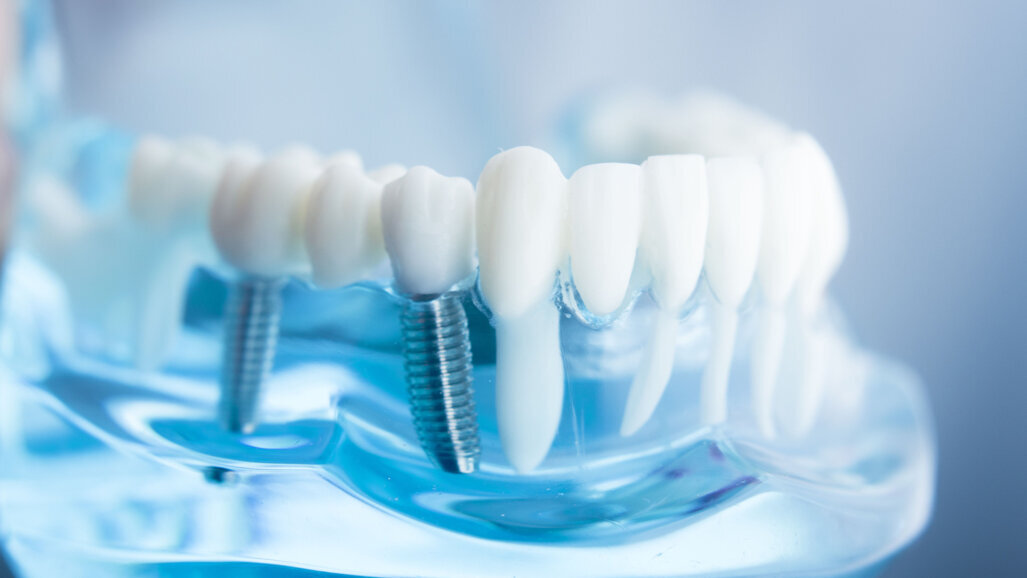
Losing a tooth can seem like a straightforward problem, but the right treatment depends on much more than the empty space itself. The number of missing teeth, the condition of the jawbone, oral health, and long-term goals all affect the plan, which is why Premier Center for Oral, Dental Implant & Facial Surgery, serving Groton, Massachusetts, begins with a careful evaluation. Replacing one tooth is very different from restoring an entire arch, so the treatment approach must be tailored to the individual.
Why the number of missing teeth changes the treatment plan
When only one tooth is missing, a single dental implant may be enough to restore the space without relying on neighboring teeth for support. When several teeth are absent, multiple implants or an implant-supported bridge may be considered. If most or all teeth in one arch are missing or cannot be saved, a full-arch restoration may be more suitable.
The goal is not simply to fill gaps. A thoughtful plan should restore chewing function, support the facial structure, make daily care manageable, and create a stable foundation for replacement teeth.
How a dental implant replaces a tooth root
A dental implant is a small post placed into the jawbone where the natural root used to be. Once the surrounding bone heals around it, the implant can support an abutment and a custom crown.
Unlike a traditional bridge, a single implant usually does not require healthy neighboring teeth to be reshaped. It also transfers chewing pressure into the jawbone, helping the restored area function more like a natural tooth.
What is evaluated before implant placement
Before treatment is recommended, the clinician evaluates the gums, remaining teeth, bite, medical history, and available bone. Imaging helps determine the height and width of the jawbone and locate nearby structures that must be protected.
Smoking, active gum disease, certain medications, and uncontrolled health conditions may affect healing. These factors do not always prevent treatment, but they can influence the timing, preparation, or type of procedure selected.
How precise planning affects implant position
An implant must be placed where it can support the final crown while remaining surrounded by healthy bone. Its angle, depth, and distance from nearby teeth or nerves all matter.
Three-dimensional imaging and guided planning can help the surgeon understand the anatomy before the procedure begins. This is especially valuable when space is limited or the final restoration must align precisely with the bite.
How a single implant is placed
The implant is usually inserted through a small opening in the gum and positioned within the jawbone. Depending on the case, a temporary tooth may be provided during healing.
The area then needs time to recover. During this period, the bone gradually bonds with the implant surface. Once stability is confirmed, an abutment is attached and the final crown is created to blend with the surrounding teeth.
When a full-arch restoration may be considered
A single implant is not the only option when tooth loss is extensive. If many teeth are missing, failing, or no longer restorable, a fixed full-arch restoration may be supported by four, six, or another carefully selected number of implants. Approaches known as All-on-4, All-on-6, or All-on-X use strategically positioned implants to support a complete row of replacement teeth.
As explained by www.temeculaoralsurgery.com/, planning a full-arch restoration requires a careful evaluation of bone volume, bite forces, facial support, and the condition of any remaining teeth. Some patients may need bone grafting or another preparatory procedure, while others may be candidates for implant placement and a temporary fixed restoration on the same day. These same-day teeth are normally provisional rather than final, so they must still be used carefully while the implants heal.
Fun Fact: A complete row of replacement teeth does not require one implant for every missing tooth. Several well-positioned implants can support an entire fixed arch because pressure is distributed across the restoration.
Healing, the abutment, and the final restoration
Healing times vary. A person may feel better within days, but the deeper process of bone integration takes longer. Follow-up visits allow the clinician to check the tissues, implant stability, and bite.
For a single tooth, the final stage usually involves an abutment and crown. For a full arch, the temporary restoration may later be replaced with a stronger and more precisely fitted final prosthesis.
What influences the long-term result
Long-term results depend on more than the procedure. Daily brushing, cleaning around the implant, professional maintenance, avoiding tobacco, and managing teeth grinding all matter. The design of the restoration and the way biting forces are distributed are also important.
The right solution is not chosen by counting missing teeth alone. It comes from matching the patient’s anatomy, health, habits, and goals with a plan that is stable, practical, and maintainable over time.